
Phosgene (COCl₂)
Can be measured with:
✓ messbar mit dem air-Q Science auf Anfrage.
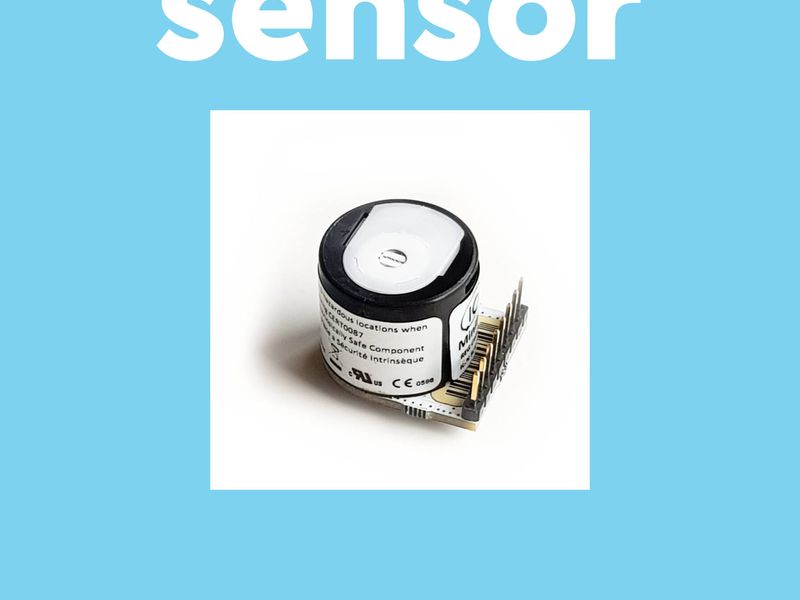
air-Qs with a sensor for Phosgene
Formation/Occurrence:
Phosgene is used in the chemical industry as an intermediate, for example for plastics, polycarbonates, isocyanates, dyes, pesticides, or pharmaceutical active ingredients.
Phosgene gas can form unintentionally when chlorinated solvents, chlorine-containing plastics, or other chlorine-containing substances are strongly heated, burned, or decomposed.
Possible sources include welding work, fires, thermal decomposition, chemical plants, laboratories, production areas, metalworking, and hazardous-material storage. Various toxic combustion and decomposition gases can also form during thermal runaway of defective, overheated, or burning lithium-ion batteries; phosgene can become especially relevant when chlorine-containing materials or substances are involved.
Useful applications for a phosgene measurement therefore include evidence storage rooms at authorities, battery storage facilities, recycling areas, operators of stationary battery storage systems, BESS installations, solar parks with battery storage, grid operators, laboratories, and industrial plants.
Limit Values:
Because of its high acute toxicity, very low workplace limit values apply to phosgene.
In Germany, the workplace limit value is 0.1 ppm or 0.41 mg/m³.
International guideline values are also in the very low ppm range.
Since phosgene can be dangerous even at low concentrations, air monitoring should rely on a suitable phosgene sensor or technical gas detection rather than smell.
Effects:
Phosgene irritates the eyes, nose, throat, and airways and can severely damage the lungs.
Possible symptoms include coughing, burning in the eyes and airways, chest tightness, shortness of breath, headache, nausea, or general malaise.
It is especially dangerous because severe symptoms can appear with a delay.
Pulmonary edema can develop hours after exposure and, in serious cases, lead to respiratory failure or life-threatening poisoning.
Note:
Measurement is important because phosgene cannot be reliably detected by smell, and dangerous effects can occur with a delay.
A phosgene sensor helps detect phosgene early, visualize concentrations, and narrow down possible sources.
Especially in evidence storage rooms, battery storage facilities, BESS installations, solar parks with battery storage, laboratories, production areas, and during fire or decomposition processes, measuring phosgene should be part of comprehensive hazardous-substance measurement, gas detection, and air monitoring.
More measured values / sensors