
Hydrogen Fluoride (HF)
Can be measured with:
✓ messbar mit dem air-Q Science auf Anfrage.
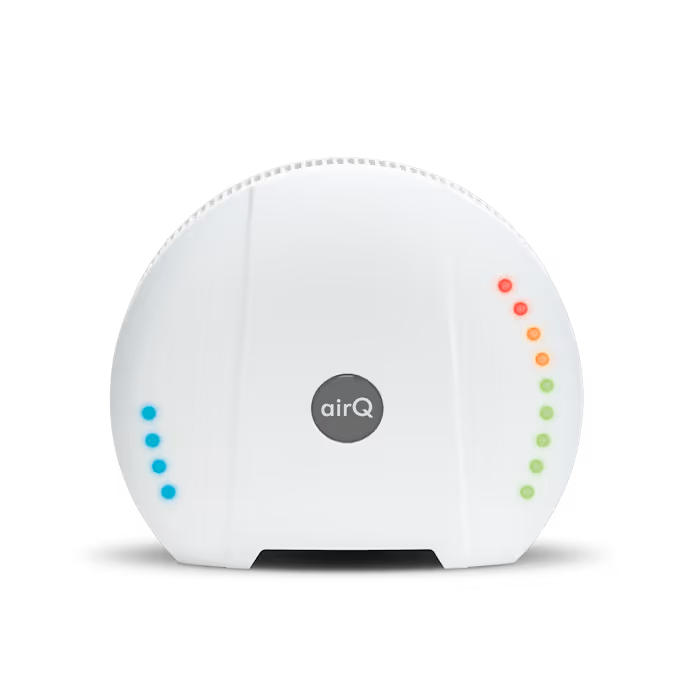
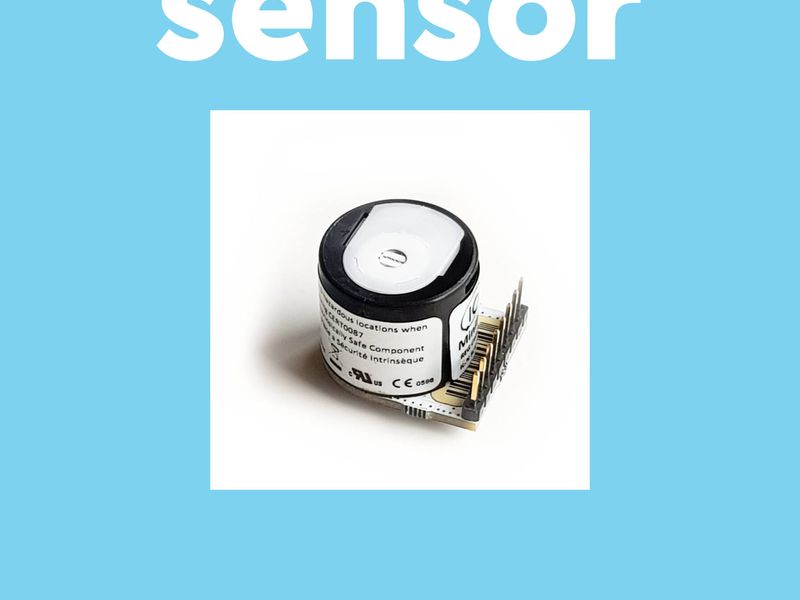
air-Qs with a sensor for Hydrogen Fluoride

Formation/Occurrence:
Hydrogen fluoride is produced industrially and used, among other things, for making fluorochemicals, refrigerants, plastics, glass-etching agents, semiconductors, and specialty chemicals.
Hydrogen fluoride is also particularly relevant with defective, overheated, or burning lithium-ion batteries: during thermal runaway, dangerous combustion and decomposition gases can form, including hydrogen fluoride.
Useful applications for an HF measurement therefore include evidence storage rooms at authorities, battery storage facilities, recycling areas, e-mobility facilities, operators of stationary battery storage systems, BESS installations, solar parks with battery storage, grid operators, laboratories, industrial plants, and fire monitoring.
Studies on lithium-ion battery fires show that significant amounts of hydrogen fluoride can be released; authorities and specialist bodies also cite HF as a possible hazardous gas in such fires.
Limit Values:
Because of its strong irritant and corrosive effects, low workplace limit values apply to hydrogen fluoride.
In Germany, TRGS 900 lists a workplace limit value of 1 ppm or 0.83 mg/m³ for hydrogen fluoride, with a peak limitation.
Since hydrogen fluoride can irritate eyes, skin, and airways even at low concentrations, air monitoring should not rely on smell or visual inspection alone, but on a suitable hydrogen fluoride sensor, HF sensor, or technical gas detection.
Effects:
Hydrogen fluoride irritates the eyes, nose, throat, and airways and can react with moisture to form strongly corrosive hydrofluoric acid.
Inhalation can cause coughing, a burning sensation in the airways, chest tightness, shortness of breath, and in severe cases pulmonary edema.
Skin or eye contact can cause severe chemical burns; systemic effects are also possible, including nausea, vomiting, abdominal pain, or cardiac arrhythmias. Symptoms can appear with a delay, especially at lower concentrations or with diluted hydrofluoric acid.
Note:
Measurement is important because hydrogen fluoride is strongly irritating and corrosive, and dangerous concentrations can develop quickly during battery fires or technical faults.
A hydrogen fluoride sensor helps detect HF early, visualize concentrations, and narrow down possible sources.
Especially in battery storage facilities, evidence storage rooms, recycling plants, BESS installations, solar parks with battery storage, laboratories, and industrial plants, measuring hydrogen fluoride should be part of comprehensive gas detection, air monitoring, and emergency planning.
Immediate medical emergency measures are required after contact with hydrogen fluoride or hydrofluoric acid; skin contact may require calcium gluconate treatment, which should only be administered according to applicable safety and first-aid guidelines.
More measured values / sensors