
Our blog covers indoor air and air quality
Our blog is a guide, a reference, and an information source all in one. Here you’ll find well-grounded knowledge, practical tips and current studies about air quality and a healthy indoor climate.

Humidity in Spring: Why It Still Matters
Especially in spring, humidity often rises unnoticed, which can promote mold formation. This can become a problem especially in the bedroom, living room, and basement. Devices like the air-Q help make relevant values visible and create an ideal indoor climate.
→ Learn more
Natural Dehumidifiers: How to Improve Your Indoor Climate Without Any Chemicals
Excess humidity can cause mold and poor air quality. Natural dehumidifiers like salt, activated carbon, or plants offer simple solutions. With the air-Q, you measure humidity in real time and see which measures actually improve your indoor climate.
→ Learn more
Calculating Air Change Rate and Improving Room Air
The air change rate shows how often the air in a room is renewed. Good air quality protects health and concentration. The air-Q measures pollutants and CO₂ in real time and gives clear guidance on when you need to ventilate.
→ Learn more
Causes of Asthma: What Factors Can Trigger Bronchial Asthma
Bronchial asthma usually results from genetic predisposition and external influences. Allergens, air pollutants, or high humidity can trigger symptoms or asthma attacks. Typical causes and triggers of asthma are explained, along with the role of clean room air for those affected.
→ Learn more
Workplace Health Promotion: Measures for Healthy Employees and a Better Work Environment
Workplace health promotion covers measures that strengthen the health, well-being, and performance of employees. Besides offerings like stress management or exercise programs, workplace design also plays an important role. Office air quality in particular can affect concentration and productivity.
→ Learn more
Ozone: What It Is, How It Forms, and Why We Should Understand It
Ozone explained simply: formation, effect on the air and health. Learn how ground-level ozone forms and how the air-Q helps monitor and improve indoor air quality.
→ Learn more
Poor Air in a Child's Room: Causes, Consequences & Measures
Children spend a lot of time in their own room, but the air is often exposed. Particulate matter, VOCs, mold, and radon can affect the airways, immune system, and concentration. With regular ventilation, low-pollutant furniture, and the air-Q, air quality can be effectively improved.
→ Learn more
Pollen Calendar: Current Pollen Calendar for Allergy Sufferers and How air-Q Can Help
A pollen calendar helps allergy sufferers recognize exposure and plan activities. The air-Q complements it by measuring particles indoors, showing trends, and indicating when ventilating or air filters make sense to ease symptoms.
→ Learn more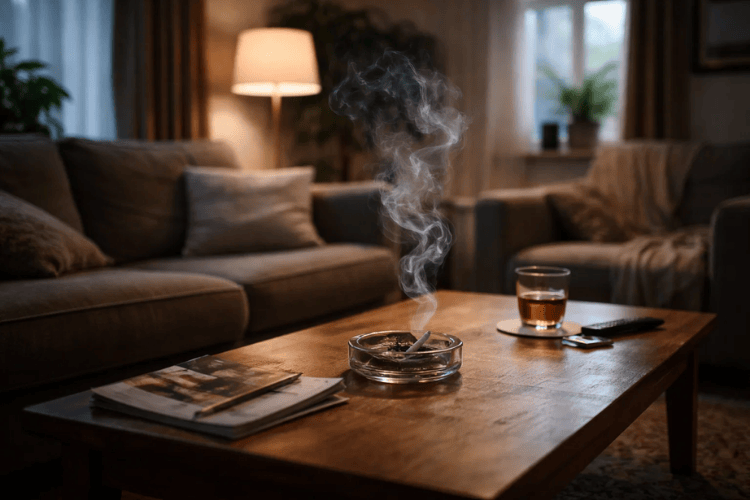
Smoke Eaters: What They Are, Whether They Help, and What Alternatives Exist
Smoke eaters can reduce odors, but they don't solve the problem of harmful particles. With effective smoke avoidance, proper ventilation, and the air-Q air quality monitor, cigarette and fireplace smoke can be reliably detected and room air significantly improved.
→ Learn more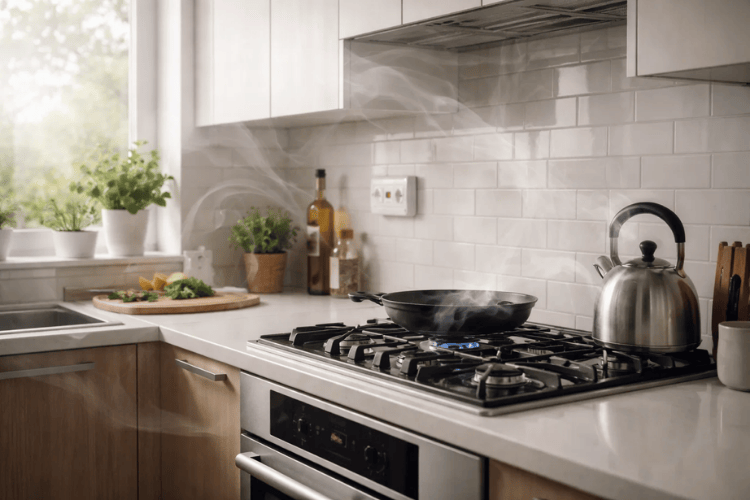
CO Detector: Protection From an Invisible Danger in Your Home
CO is odorless, invisible, and extremely dangerous. With a CO detector like the air-Q, you detect the danger in time, protect your family, and always keep an eye on the air quality in your home.
→ Learn more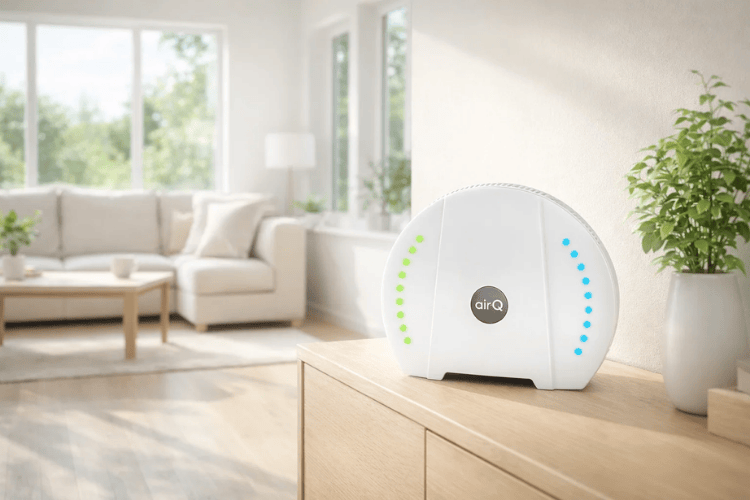
Fresh Air Monitor: Why Fresh Room Air Is Measurable
Why good room air isn't a feeling: what a fresh air monitor measures, why fresh air indoors is crucial, and how the air-Q helps make air quality visible and specifically improve it.
→ Learn more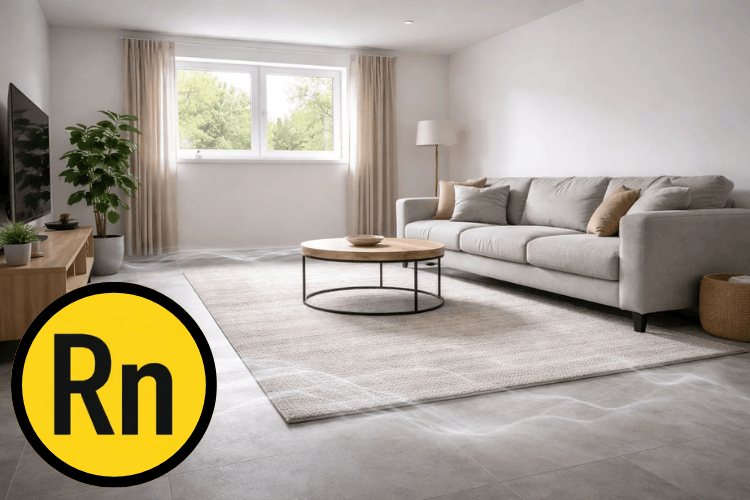
Radon: The Invisible Danger in Your Rooms
Radon is an invisible health risk indoors. The radioactive gas can increase the risk of lung cancer, especially with prolonged exposure. Measurement, ventilation, and structural measures help effectively reduce radon concentrations.
→ Learn more