
Radon: The Invisible Danger in Your Rooms
Radon is an invisible health risk indoors. The radioactive gas can increase the risk of lung cancer, especially with prolonged exposure. Measurement, ventilation, and structural measures help effectively reduce radon concentrations.
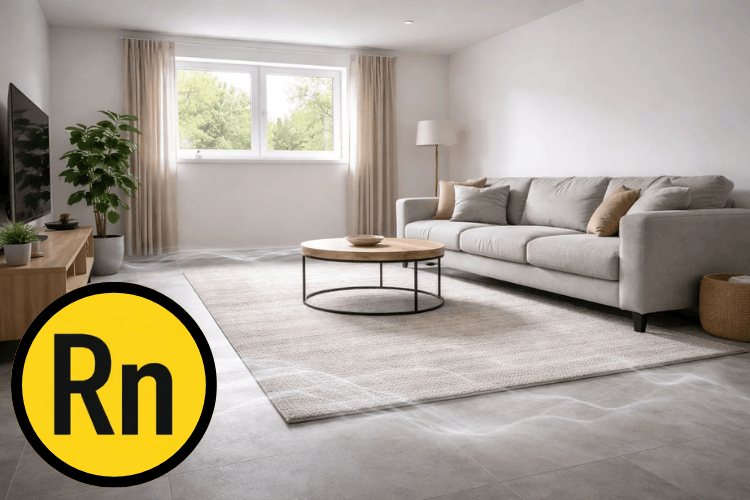
Radon is a naturally occurring radioactive gas formed by the decay of uranium in the soil. It's colorless and odorless and can accumulate unnoticed in buildings, especially in basements and ground floors. Depending on the region and soil composition, concentrations can vary widely.
The problem: radon is invisible and often unnoticed, yet it can seriously endanger health in the long run.
How does radon affect the body?
Radon itself isn't toxic, but its radioactive decay products, so-called radon progeny, settle in the lungs when the gas is inhaled. These emit radiation that damages lung tissue.
Long-term exposure can alter the DNA of lung cells and increase the risk of lung cancer. According to studies, radon is the second most common cause of lung cancer after smoking. Especially in smokers, the risk rises significantly, since the combined effect of tobacco smoke and radon damages cells even more severely.
Who is especially at risk?
The following are especially at risk:
- People living in basements or ground floors: radon usually enters buildings from the ground, so lower floors are more heavily exposed.
- People in areas with high radon concentration: some regions are geologically especially prone.
- Smokers: tobacco smoke significantly amplifies radon's effects.
- People who spend a lot of time indoors. The longer the exposure, the higher the risk.
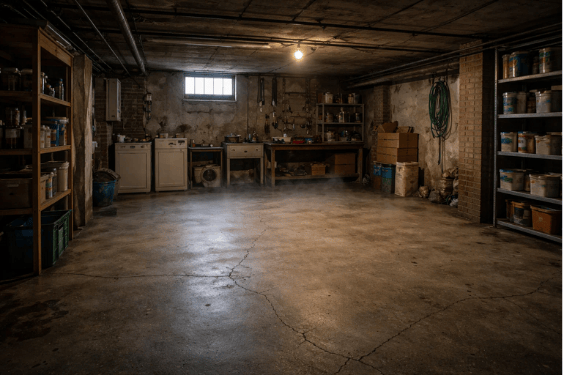
Radon limit and reference values in Germany
To limit the health risk from radon, statutory reference values apply in Germany and the EU. These are based on the Radiation Protection Act.
For occupied rooms and workplaces indoors, the reference value is 300 becquerels per cubic meter (Bq/m³) as an annual average. If this value is exceeded, measures to reduce radon concentration are required.
For comparison:
- Below 100 Bq/m³, exposure is considered low.
- Between 100 and 300 Bq/m³, there is an elevated risk, especially with long-term exposure.
- Above 300 Bq/m³, structural or technical measures are strongly recommended or required.
It's important that the reference value refers to the annual average. Short-term measurements can show strong fluctuations and are thus less meaningful than a long-term measurement over several months.
Measures to protect against radon
There are several ways to reduce radon exposure indoors:
- Regular ventilation: simple ventilation significantly reduces concentration, especially in basements and ground floors.
- Sealing floor slabs and cracks: this prevents radon from entering rooms from the ground.
- Mechanical ventilation systems: ventilation systems with radon extraction can significantly lower concentration.
- Continuous measurement: only those who know their radon levels can take effective action. A one-time test provides indications, but measurement over longer periods is more meaningful.
How air-Q can help with radon
The air-Q air quality monitor isn't just an all-rounder for pollutants, CO₂, and particulate matter, it can also continuously monitor radon levels. It provides an early warning as soon as radon levels rise, while also enabling long-term monitoring, so trends can be identified and protective measures specifically planned. The clear display makes it visible when ventilating or other measures are needed. This way, you always keep an eye on your air quality and can significantly reduce the health risks from radon.
Radon is a quiet but serious health hazard. People living in basements and smokers in particular should be attentive. With preventive measures, continuous measurement, and smart devices like air-Q, the risk of lung cancer can be significantly reduced. Monitoring and prevention are the most effective steps to make your own indoor air safe.