
Our blog covers indoor air and air quality
Our blog is a guide, a reference, and an information source all in one. Here you’ll find well-grounded knowledge, practical tips and current studies about air quality and a healthy indoor climate.

Traveling Safely in an RV & Campervan: With the Smart air-Q Science Gas Detector
Gas leaks, carbon monoxide, break-ins, or an assault with knockout gas: if you own an RV, you're surely thinking about all these factors. So you can travel more calmly, the air-Q science monitors the air for harmful substances on your behalf. Learn here how you can experience more safety in your RV with a gas detector.
→ Learn more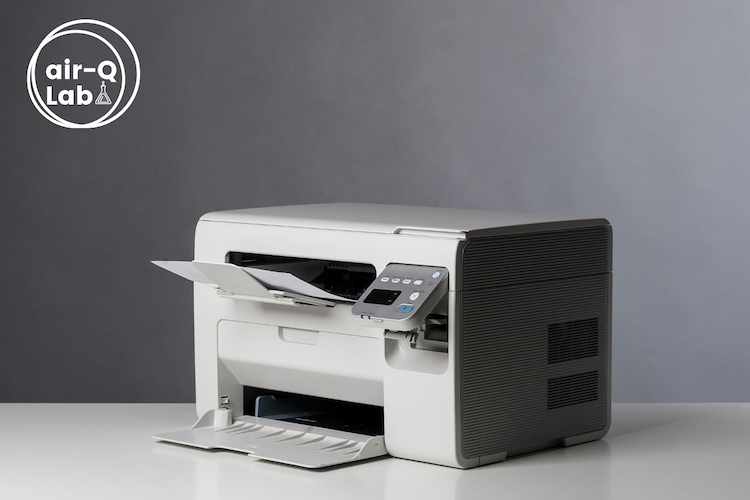
air-Q Lab: The Danger of Ultrafine Particulates from Your Printer – We Measured It
Ultrafine particulate matter is man-made and dangerous. These tiny particles penetrate deep into the body and can cause cancer. Laser printers are an often-overlooked source. In a hands-on test, we checked how much particulate matter a printer produces. Read the results here.
→ Learn more
air-Q Radon: Your Smart Air Analyzer for Reliable Radon Measurements
Radon releases radioactive particles (so-called alpha radiation) as it decays. This is the leading cause of lung cancer in non-smokers! Our new air-Q Radon monitor tracks the dangerous noble gas in real time, checks for other pollutant sources in your indoor spaces, and gives you tips for optimal room air. Here it is.
→ Learn moreYour Vacation Rental Always in View
→ Learn more
Attention Allergy Sufferers: Secure Your Spot in Our Webinar!
When pollen flies in spring, allergy sufferers struggle to fall asleep. Besides grasses and the like, household dust and mites also prevent restful sleep. Together with Schlafnerds, we're pooling our knowledge in an informative webinar to tackle the mission: good sleep despite allergies!
→ Learn more
Formaldehyde (CH₂O): Definition, Causes & Effects
Formaldehyde occurs indoors as a gas and can be noticed by its typical smell. It forms during incomplete combustion and other oxidation processes. Since the gas is used, for example, in adhesives, it's very widespread indoors and enters the body through breathing. We introduce this substance in more detail.
→ Learn more
Health Hazard: Ultrafine Particulate Matter & Nanoparticles
Seasonally, particulate matter levels are currently rising due to the use of fireplaces and tiled stoves. Road traffic also contributes to rising particulate matter pollution. Another, often overlooked source of ultrafine particulate matter and nanoparticles are printers. Read here what health hazard these tiny particles pose and how to protect yourself.
→ Learn more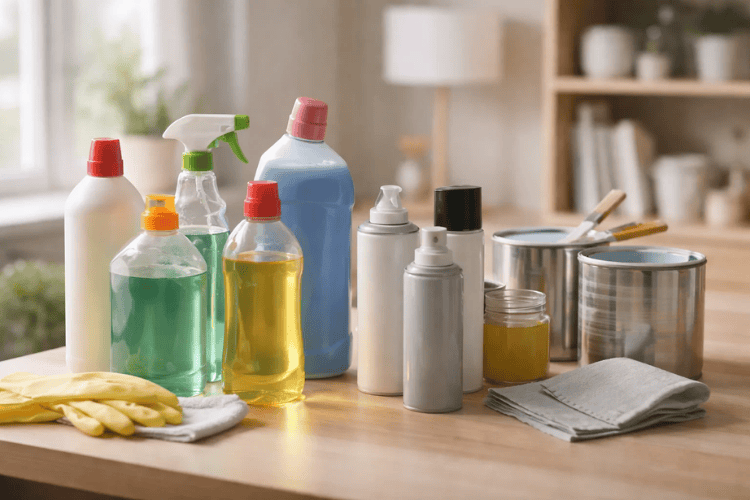
Household Toxins: What Substances Exist, How Dangerous Are They & How Can You Protect Yourself?
Indoor air can make you sick. That's because toxic substances, so-called household toxins, often float unnoticed within it. Take action before the effects become a chronic burden, and investigate the causes of initial complaints. We introduce you to the 8 most important household toxins, uncover pollutant sources, and reveal how to protect yourself from toxins.
→ Learn more
Can the air-Q's Readings Be Used in Court?
Bad smells strongly affect well-being and can harm health. You don't have to silently accept odor nuisance from your neighbors. We now clarify which smells are unreasonable, whether you can use the air-Q's measurement data in court, and what rights you have.
→ Learn more
Healthy Office Climate: What Should Workplace Air Quality Be Like?
When working calmly, you take about 12 to 15 breaths per minute. Up to 15 liters of air flow through your lungs in the process. A healthy office climate is therefore important for boosting employee well-being and productivity. Read here what office air should be like and which tips create a better office climate.
→ Learn more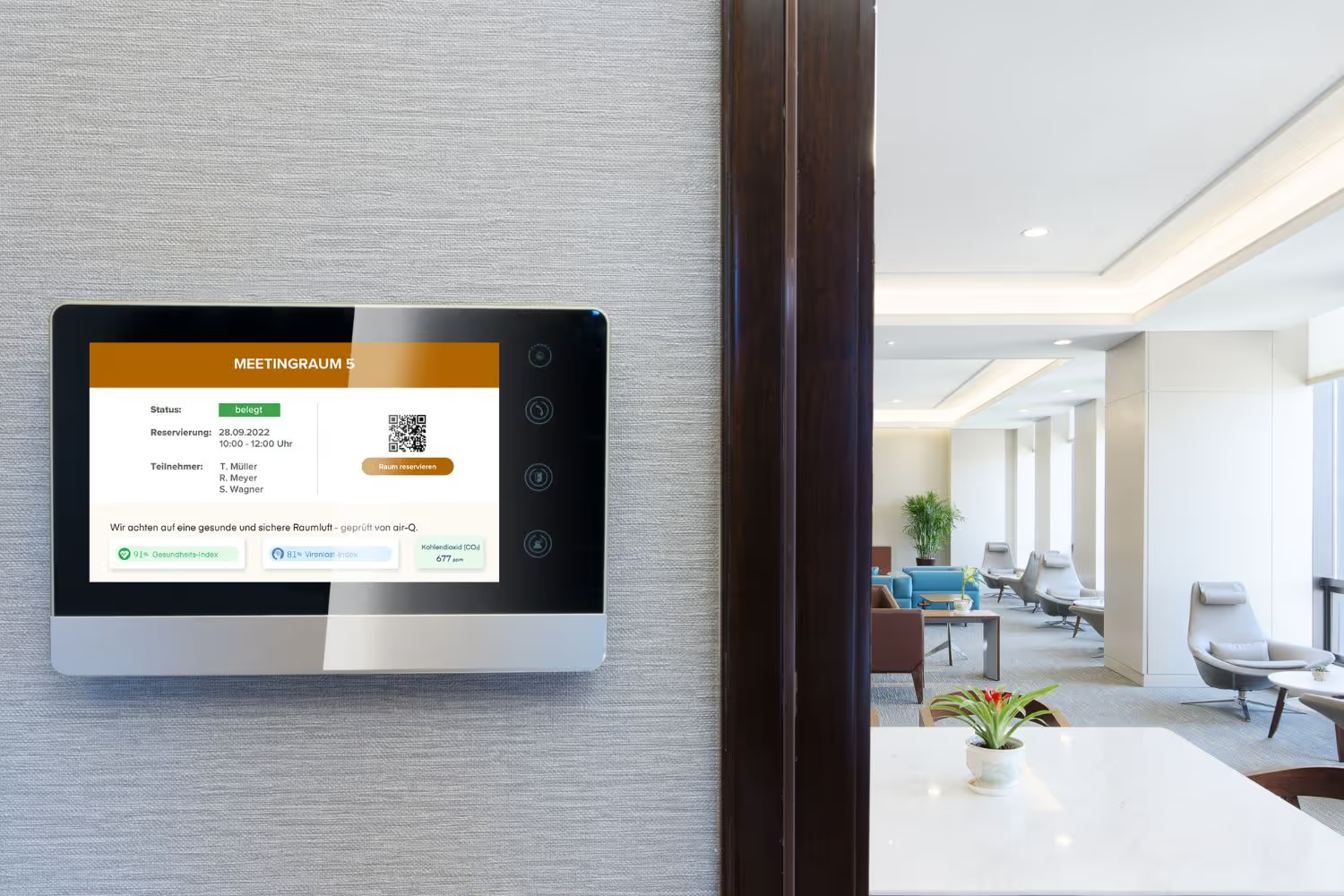
How the air-Q Smart Widgets Work: A Step-by-Step Guide
With our air-Q Smart Widgets, you can display readings live across many channels and devices. This lets you show sensor data as a current reading, development chart, or index on info screens, websites, or in presentations. We now explain how this works and what use cases the Smart Widgets offer you.
→ Learn more
The air-Q Virus-Free Index: How to Tell If Your Room Air Is Making You Sick
Covid gave a boost to research into aerosols and air quality. Numerous studies show a link between carbon dioxide levels and infection risk. In our new app version, you get a Virus-Free Index that lets you recognize and reduce infection risk. Here's how it works.
→ Learn more