
Our blog covers indoor air and air quality
Our blog is a guide, a reference, and an information source all in one. Here you’ll find well-grounded knowledge, practical tips and current studies about air quality and a healthy indoor climate.

Formaldehyde in the Air – How to Detect and Reduce It
Formaldehyde in the air can unnoticeably pollute room air and cause health problems. In this article, learn where formaldehyde occurs, how you can measure and detect it, and which measures help reduce exposure. Also discover smart solutions like the air-Q to monitor your room air quality in real time.
→ Learn more
What Temperature Is Normal? Optimal Values for Every Room
What temperature is normal? The optimal room temperature affects our well-being, sleep quality, and productivity. But what values are ideal for the bedroom, living room, office, and the whole home? In this article, learn the recommended temperatures for every room and how to ensure a healthy indoor climate.
→ Learn more
The Most Common VOCs Indoors – Sources, Risks, and Solutions
Many everyday products release volatile organic compounds (VOCs) that can affect our health. From furniture to cleaning products to fragrances – VOCs are everywhere. Learn which VOCs are especially common, what risks they pose, and how you can improve the air quality in your home.
→ Learn more
Air Quality and Sustainability: How Modern Air Monitors Contribute to a Greener Future
In recent years, awareness of sustainability and environmental protection has grown worldwide. A central aspect of this is air quality, which affects both our health and the climate. Modern air quality sensors play a crucial role in making environmentally conscious decisions.
→ Learn more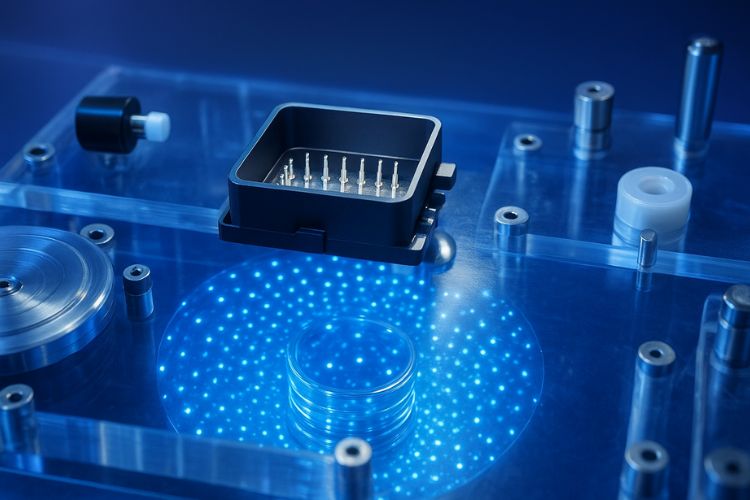
The Best Air Quality Sensors for Your Home: Boosting Health and Well-Being
Our room air has a direct effect on our health and well-being. Pollutants such as particulate matter, CO2, and volatile organic compounds (VOCs) can cause respiratory disease, allergies, and concentration problems.
→ Learn more
Elevated Particulate Matter Levels in Germany: Causes, Effects and Solutions
In recent days, particulate matter levels in Germany have risen sharply. The poor air quality affects many regions and poses a health risk. But what are the current causes of the increased particulate matter exposure, what effects does the air pollution have, and how can you protect yourself?
→ Learn more
ESG: Making Sustainability Measurable – How Companies Can Meet ESG Sustainability Criteria
ESG sustainability criteria are crucial for companies to demonstrate their responsibility and make sustainable decisions. If you're wondering, "What does ESG stand for?" — it's about bringing environmental, social and corporate governance aspects into balance.
→ Learn more
Measuring Particulate Matter: Why Air Quality Matters and How It's Done
Particulate matter is an invisible pollutant that floats in the air and poses a considerable burden on health and the environment. Especially indoors, particulate matter can impair air quality unnoticed. But how can you measure particulate matter, and what options are there to reduce exposure?
→ Learn more
Pollutants in Your Home: Symptoms, Measurement Methods, and Solutions
More and more people are aware that their homes aren't just retreats, but can also be potential sources of danger. Pollutants in the home are a serious problem that's often underestimated.
→ Learn more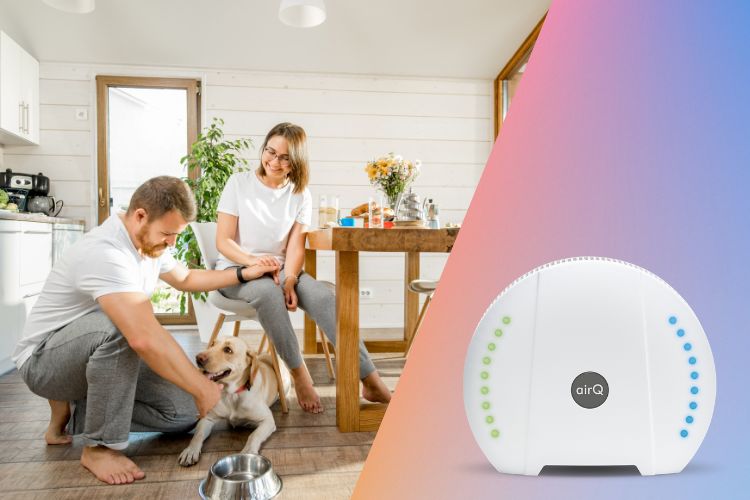
Ammonia in the Air: Dangers, Sources, and How the air-Q Helps Measure It
Ammonia (NH₃) is a colorless gas with a pungent smell that occurs naturally in our environment but is also released by human activity. It plays an important role in air quality, since it can not only be directly harmful to health but also contributes to particulate matter formation. With the air-Q, you can measure ammonia
→ Learn more
Why an Indoor Air Analysis Is Important for You
Indoor air quality affects health, well-being, and productivity. Pollutants, dry air, or high CO₂ levels can cause respiratory issues, concentration problems, and fatigue. With targeted measurement and optimization, indoor air can be improved and health protected long-term.
→ Learn more
How Can You Measure Radon in a House?
Radon is an invisible, odorless, and tasteless noble gas formed by the decay of uranium in the soil. It can enter houses and, at high concentrations, pose a health risk, since it increases the likelihood of lung cancer. But how can you measure radon in a house, and which methods are most effective?
→ Learn more