
Ammonia in the Air: Dangers, Sources, and How the air-Q Helps Measure It
Ammonia (NH₃) is a colorless gas with a pungent smell that occurs naturally in our environment but is also released by human activity. It plays an important role in air quality, since it can not only be directly harmful to health but also contributes to particulate matter formation. With the air-Q, you can measure ammonia
What is ammonia and why is it a problem?
Ammonia is a chemical compound of nitrogen and hydrogen and an important part of the nitrogen cycle in nature. It's released through biological processes such as the decomposition of organic material, but also in large quantities through human activities such as:
- Agriculture: especially in livestock farming and through fertilizer.
- Industry: for example in chemical production or textile manufacturing.
- Traffic: through the use of catalytic converters in vehicles.
In the air, ammonia can irritate the airways and eyes. Long-term, it contributes to the formation of secondary particulate matter, which can penetrate deep into the lungs and promote cardiovascular disease.
How does ammonia get into indoor air?
Ammonia can also occur indoors. Typical sources are:
- Cleaning products: many household cleaners contain ammonia, which is released during use.
- Construction and furnishing materials: certain adhesives, paints, or textiles can off-gas small amounts of ammonia.
- Evaporation processes: in agricultural buildings or laboratories.
Especially problematic is that ammonia indoors is often broken down more slowly, since natural dilution by outdoor air is limited.
Why is measuring ammonia important?
Regularly measuring ammonia in the air is crucial for detecting health risks early and taking suitable countermeasures. Especially in rooms exposed to ammonia sources, monitoring the concentration can help minimize exposure.
Ammonia (NH₃) poses significant risks to health and the environment. Even at low concentrations, this pungent-smelling gas can irritate the mucous membranes in the eyes, nose, and throat and cause breathing difficulties. At higher concentrations, serious damage to the airways can occur, up to lung injury or even poisoning. Ammonia is especially problematic when it enters the environment, since it contributes to the formation of particulate matter, which burdens the airways and can promote cardiovascular disease. It also acts as a nutrient for algae growth in bodies of water, which can disrupt ecological balance. Monitoring ammonia concentration in the air is therefore essential to prevent health risks and environmental damage.
Measuring ammonia with the air-Q
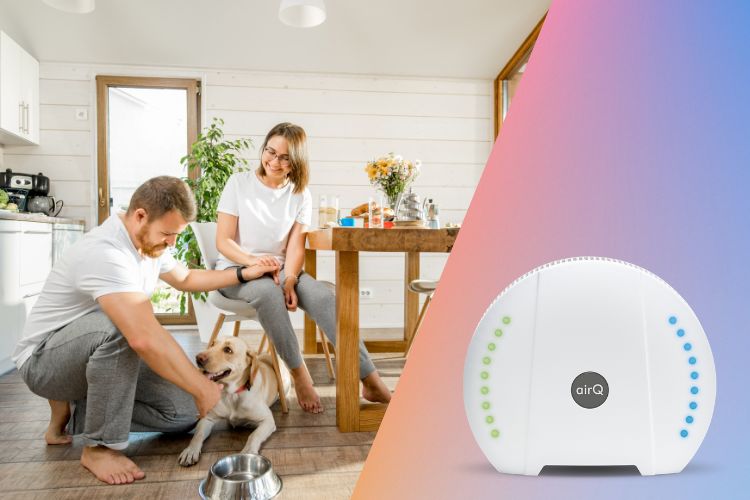
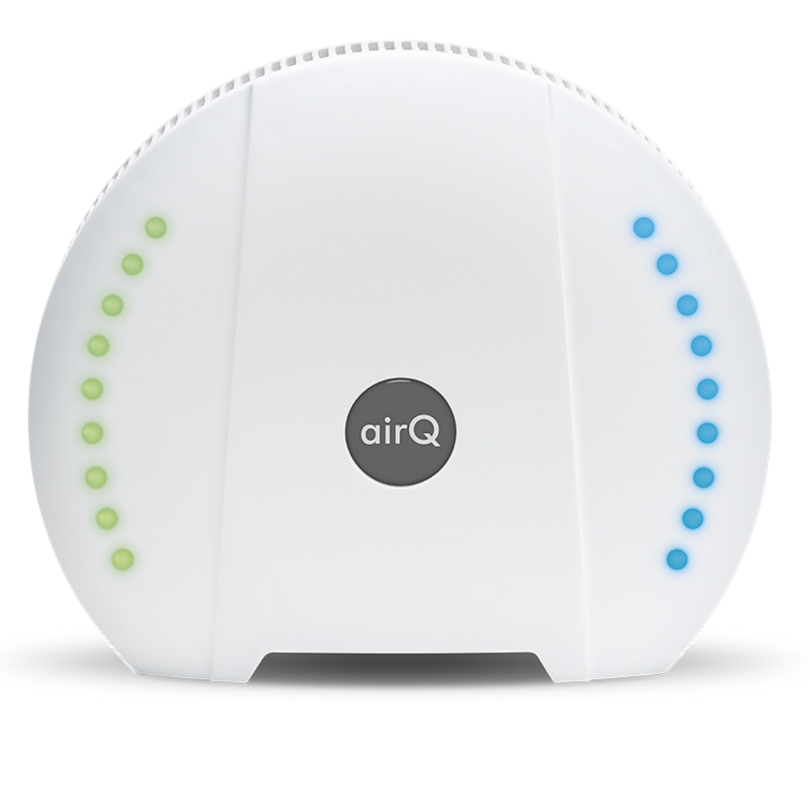
The air-Q is an innovative air analyzer specifically developed to measure pollutants such as ammonia in real time. With its precise sensor technology, it not only enables accurate determination of ammonia concentration but also offers numerous other benefits:
- Precision: highly sensitive sensors detect even the smallest amounts of ammonia in the air.
- Real-time data: continuous measurement always gives you up-to-date values.
- User-friendliness: the accompanying app lets you easily evaluate and track air quality.
- Versatility: besides ammonia, the air-Q also measures numerous other air parameters, such as CO₂, particulate matter, and volatile organic compounds (VOCs).
Thanks to these features, you can quickly take action to improve air quality, for example through ventilation or using air purifiers.
Conclusion: keep air quality and ammonia in view at all times
Ammonia is an often-underestimated pollutant that can be harmful to health both outdoors and indoors. With the air-Q, you can monitor ammonia concentration in your rooms and thus ensure a healthy living and working environment. Whether in agriculture, industry, or at home — the air-Q is your reliable partner for better air quality.
Clean air isn't a luxury — it's a necessity for all of us.