
Elevated Particulate Matter Levels in Germany: Causes, Effects and Solutions
In recent days, particulate matter levels in Germany have risen sharply. The poor air quality affects many regions and poses a health risk. But what are the current causes of the increased particulate matter exposure, what effects does the air pollution have, and how can you protect yourself?
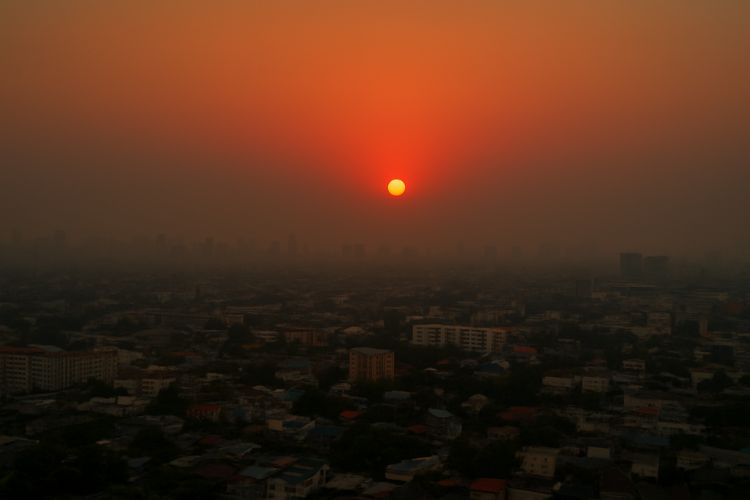
Current particulate matter exposure in Germany has reached worrying levels in many regions. The east and north of the country are particularly affected, where Federal Environment Agency monitoring stations have been recording elevated particulate matter concentrations for several days. This development is due to a combination of unfavorable weather conditions and increased emissions.
Why is particulate matter exposure currently so high?
Elevated particulate matter levels in Germany can be attributed to several factors:
- Weather conditions: A stable high-pressure system with little wind and no precipitation causes pollutants to accumulate near the ground. Temperature inversions in particular prevent air from rising and mixing. Another factor is air currents from eastern neighboring countries such as Poland and the Czech Republic, which transport additional pollutants into Germany. These countries still rely heavily on coal for heating, which increases the emission of particulate matter.
- Heating behavior: In the winter months, wood and coal are also increasingly used for heating, releasing additional particulate matter into the air.
- Road traffic: Especially in urban areas, vehicle exhaust, particularly from diesel vehicles, contributes significantly to particulate matter exposure.
What effects does particulate matter have on health?
Particulate matter, especially the small particles with a diameter of less than 2.5 micrometers (PM2.5), can penetrate deep into the lungs and cause health problems. The main effects are:
- Respiratory issues such as coughing, asthma and bronchitis
- Increased risk of cardiovascular disease
- Irritation of the eyes, nose and throat
- Long-term exposure can increase cancer risk
The Federal Environment Agency warns that sensitive individuals may experience adverse health effects. They should avoid strenuous physical activity outdoors. Children, older people and those with pre-existing respiratory conditions are particularly affected.
Which regions are particularly affected?
The current air pollution mainly affects the north and east of Germany. Particularly high particulate matter levels have been recorded in the following federal states:
- Berlin and Brandenburg
- Mecklenburg-Vorpommern
- Lower Saxony, Bremen and Hamburg
- Parts of North Rhine-Westphalia
Better air quality is being recorded in some regions in southwestern Germany, such as parts of North Rhine-Westphalia, Rhineland-Palatinate, Saarland and southwestern Baden-Württemberg, where wind and precipitation remove pollutants from the air more quickly.
Tips for protecting yourself against particulate matter
There are several ways to protect yourself from elevated particulate matter exposure:
- Watch air quality readings: Apps and websites such as the Federal Environment Agency's provide information on current particulate matter levels in Germany.
- Optimize ventilation: On days with high particulate matter exposure, ventilation should be limited to times with lower pollution.
- Improve indoor air: Air purifiers with HEPA filters can help remove particulate matter from indoor air.
- Reduce outdoor physical activity: Especially sensitive individuals should avoid intense outdoor activities on days with high particulate matter exposure.
-(300-x-250-px)-(1500-x-1300-px).jpg)
Measuring particulate matter with air-Q
The air-Q has a highly precise particulate matter sensor that enables detailed particulate matter measurement indoors. With this device, particulate matter levels can be captured and analyzed in real time to detect exposure peaks early on. By connecting to an app, users can retrieve current readings at any time and receive alerts when particulate matter concentrations rise.
Especially in times of elevated particulate matter exposure, the air-Q helps you take individual protective measures, such as targeted ventilation or the use of air purifiers. Continuously monitoring air quality can help avoid health-damaging exposure in the long run.
Outlook for improvement
In the coming days, a change in weather is expected, with approaching low-pressure systems bringing wind and precipitation. This could lead to an improvement in air quality, as pollutants are removed from the atmosphere. Until then, sensitive individuals should reduce physical exertion outdoors and follow the current guidance from the Federal Environment Agency.
The current particulate matter exposure highlights the need for long-term measures to reduce emissions. In this context, WWF Germany emphasizes the importance of a rapid phase-out of fossil fuels such as coal, oil and gas in order to sustainably protect both air quality and the climate.
For current information on air quality in your region, we recommend consulting the Federal Environment Agency's website.
Conclusion
The currently elevated particulate matter levels are a combination of weather conditions and increased emissions in winter. The health effects can be serious, which is why it's important to protect yourself and take long-term measures to reduce air pollution. A particulate matter alert can help warn especially vulnerable individuals. Sustainable transport policy and clean heating methods could help reduce particulate matter exposure in the long run and improve air quality in Germany.