
Oxygen (O₂): Definition, Formation & Consequences
What exactly is oxygen, and why is this diatomic gas so important to us? Can you breathe in too much oxygen? And what helps against too little oxygen in the blood? We took a closer look at this reading and answer important questions about the chemical element.

Oxygen: causes & formation
Oxygen (O₂) is a colorless, odorless gas that almost all animal life needs to survive. By mass, oxygen is the most common element on the Earth's surface, since it makes up 21% of the air. However, O₂ also occurs chemically bound — meaning not free as a breathable gas.
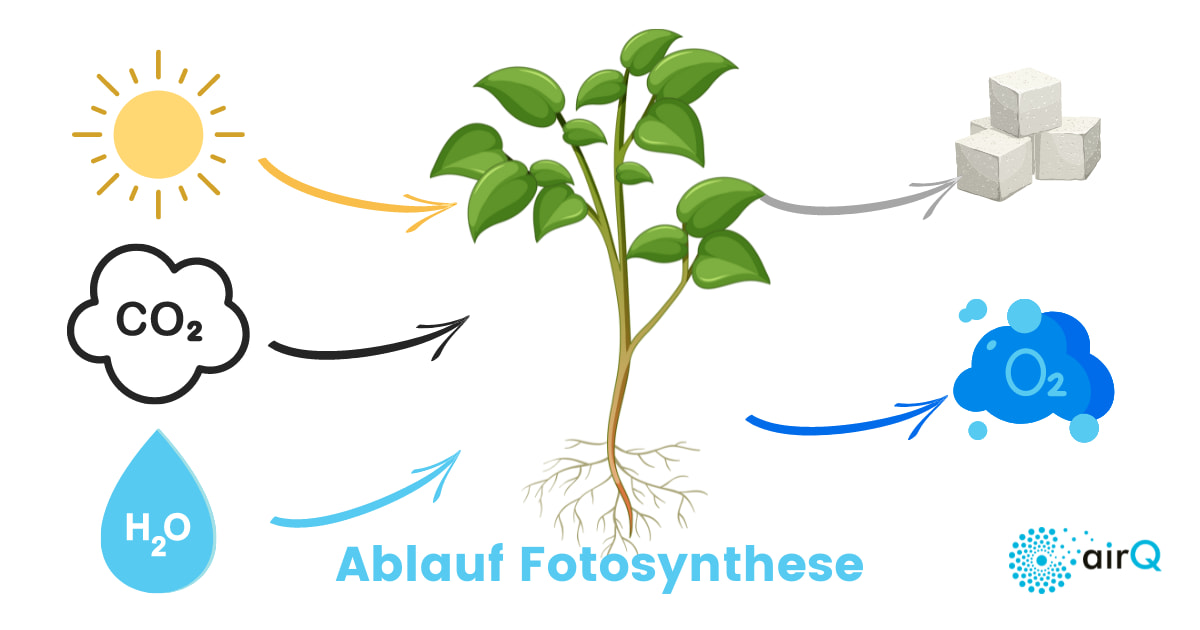
Our oxygen mainly comes from plants. As essentially a byproduct of their energy production: photosynthesis. During a biochemical reaction, plants form glucose from sunlight, CO₂, and water, refilling their own energy stores while releasing the oxygen they don't need.
What happens when the body gets too little oxygen?
We need oxygen for our well-being, to be fit and productive. If oxygen content drops below 17%, we get tired quickly, and the error rate on visual tasks and logical thinking rises. Reaction time also increases. If the oxygen content of the air we breathe is significantly reduced, symptoms of acute altitude sickness are added: headaches, fatigue, loss of appetite, as well as nausea and dizziness. In severe cases, brain and pulmonary edema can even form.
At oxygen concentrations below 13%, severe, irreversible damage can occur, which can lead to death. Suffocation results.
What does oxygen saturation mean?
Oxygen saturation indicates the oxygen content in the blood. It expresses, as a percentage, how strongly hemoglobin, an iron-rich protein in red blood cells, is loaded with oxygen. In healthy people, oxygen saturation should be between 90 and 99 percent. Lower values are a sign of oxygen deficiency, or hypoxemia. This deficiency shows up as feelings of weakness, dizziness, or discomfort.
The following foods are well suited to boosting hemoglobin function and thus ensuring good oxygen saturation:
- Vitamin-C-rich food: e.g. oranges, lemons, bell peppers, tomatoes, grapefruits, berries, watermelon
- iron-rich foods: e.g. green vegetables, tofu, spinach, eggs, whole grains, legumes, beans, meat, fish, dried fruit
- folic acid: e.g. beetroot, green vegetables, sprouts, dried beans, peanuts, bananas, broccoli
- legumes: e.g. lentils, peanuts, peas, beans
Is oxygen toxic, and can you breathe in too much oxygen?
Most organisms like humans, animals, and bacteria need oxygen. Falling below or exceeding the limit values, however, can become dangerous. For example, a drop in oxygen saturation in the air threatens fainting — starting at a partial pressure of 0.16 bar. If, on the other hand, the O₂ share in the air is too high, poisoning symptoms (oxidosis) occur. Acute oxygen poisoning, or an oxygen seizure, is triggered at an ambient pressure above 1.6 bar. Divers, for example, are exposed to this risk.
It becomes especially dangerous when blood oxygen saturation is already high and oxygen is still artificially added. In this case, the risk of lung failure, heart attacks, or heart rhythm disturbances, as well as organ failure, increases.
Symptoms of acute oxidosis are:
- Restlessness
- A metallic taste on the tongue
- Uncontrolled twitching of the facial muscles
- Tunnel vision
- Lightheadedness
- Nausea
- Seizures
Symptoms of too much oxygen in the blood
Elevated oxygen saturation in the blood, especially at already normal or high SpO₂ values, can carry health risks. Even additional supplemental oxygen at a saturation of 94–96% can be harmful and carries risks like oxidative stress and inflammatory reactions in tissue. Studies have shown that an oversupply of oxygen — also known as hyperoxemia — increases the risk of lung failure, heart rhythm disturbances, heart attacks, and organ failure in clinical contexts. In addition, elevated mortality of 21% in the hospital as well as 14% within 30 days of discharge was found
If the body receives very high oxygen levels over a longer period, symptoms can occur that indicate so-called oxygen toxicity (oxygen poisoning). Two typical effects can appear here:
- Paul Bert effect (CNS): symptoms like tunnel vision, ringing in the ears, nausea, dizziness, anxiety, confusion, seizures, or fever — especially at elevated partial pressure of oxygen in the central nervous system.
- Lung consequences (Lorrain Smith effect): toxicity from prolonged, highly concentrated ventilation leads to damage to the alveolar structure, toxic pulmonary edema, and chronic ventilator-associated lung damage.
In the immature eye (e.g. in premature infants), excessive oxygen can even lead to disturbed retinal development — retinopathy of prematurity
What is oxygen used for?
We primarily need oxygen for breathing and so our circulatory system functions. However, special welding torches can also be used to weld and cut metal. In liquid form, oxygen propels rockets.
What helps against too-low O₂ levels?
- Do regular quick ventilation and ensure a sufficient supply of fresh air.
- Especially when heating with a fireplace, monitor oxygen levels, e.g. with the air-Q & ventilate as needed. Especially when several people are present.
- Add air-purifying plants like snake plant, spider plant, or dragon tree.
We tested how air-purifying plants affect indoor air quality in our air lab. You'll find the results for the houseplants dragon tree, snake plant, as well as a test on the general effect of plants on air components in our dedicated posts.
.jpeg)