
How Do Natural Disasters Affect Air Quality? Focus: Flooding.
Sustained rain causes the water levels of the Moselle, Rhine, Oder, Danube, Elbe, or other rivers to rise well above average. Flooding threatens the surrounding areas. Natural disasters like floods bring, besides economic damage, significant effects on air quality. We take a look at some of the key effects.

Release of pollutants through flooding
Whether heavy rain, snowmelt, other extreme weather conditions, or human intervention in the course of waterways, all favor flooding of streams and rivers. If precipitation can't seep into the ground sufficiently or quickly enough, flooding occurs. But it's not just river water that flows through the flooded areas. Rather, the water masses carry along numerous debris and thus pollutants that they pick up along the way. In areas affected by flooding, toxic chemicals and other substances or pathogens can thus enter gardens, basements, and homes.
Chemicals & waste
Flooding can release chemicals, pesticides, and hazardous waste from industrial facilities, storage sites, or agricultural operations into the environment. Another source of danger is the chemicals stored in your house or on your property, such as cleaning products, varnishes, or pesticides. The floodwater can also pick these up and mix with the pollutants. The closer the pollutant source is to your living space, the higher the concentration in the floodwater can be. All the substances absorbed by the water can enter the air, worsen air quality, and be absorbed into your body through breathing.
Mold spores
After a flood, humidity in affected buildings and areas also rises sharply, which can cause mold growth. If the building became saturated with moisture due to the flooding and this moisture isn't completely removed, potentially dangerous mold can grow. Especially problematic are areas where water can "hide," like wood paneling, wallpaper, poorly drying insulation materials, drywall, thick carpeting, or upholstered furniture.
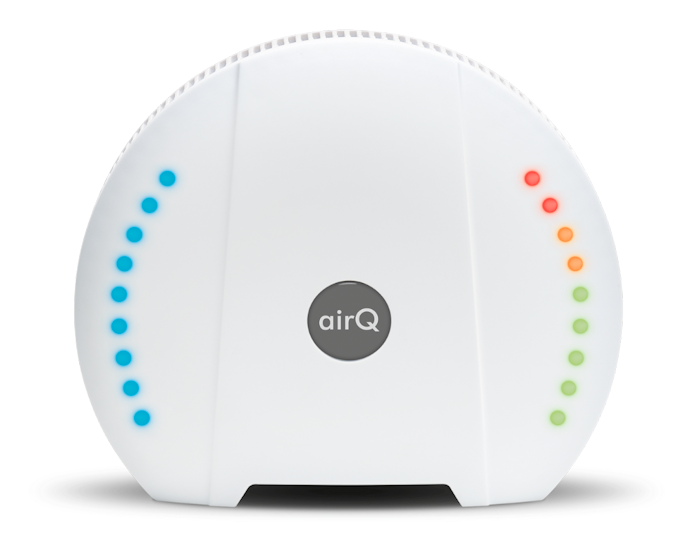
If mold spores get into the air, they can enter residents' bodies through breathing and cause respiratory problems. Especially in people with allergies or respiratory diseases, symptoms like congested or irritated airways, a feeling of catching a cold, headaches, reduced performance, or generally impaired well-being can occur. Depending on the type and duration of mold exposure, allergic reactions, asthma attacks, and chronic bronchitis are also possible. It's therefore advisable to check all materials that don't dry quickly after a flood and dispose of them if necessary. Check the humidity level in the rooms with an air quality monitor like the air-Q, to detect elevated moisture and act accordingly.
Increased particulate matter exposure from flooding & high water
River water can also contain construction debris, materials from industrial facilities or power plants, and residue from road traffic, which then ends up in your garden or home along with the water.
Sediments & debris
Sediments like heavy metals or other pollutants often accumulate at river mouths. Flooding washes these up and carries them further. When the water recedes after the flood, it leaves behind these sediments and other debris. The drying process of these materials can lead to increased dust exposure from particulate matter. The particles are carried further by the wind and transported into homes as fine particles.
Construction & cleanup work
During restoration and cleanup work after a flood, significant amounts of dust can also be released, negatively affecting air quality.
Biological contamination after a flood
Flooding doesn't just wash up inorganic material. Organic substances are also present in the floodwaters and continue to decay there.
Animal carcasses & plant debris
Flooding can lead to the death of animals and the destruction of plants. The decomposition of this organic material can release gases like decay or rotting gases and particles that impair air quality. Biological contaminants are found especially in the deposited silt.
Fungal growth
Damp conditions also promote fungal growth, whose spores can get into the air and endanger health.
Traffic & energy supply
Traffic jams caused by disruptions from the flooding, as well as cleanup work using clearing vehicles, lead to an increased buildup of exhaust fumes in the air.
Disruptions & emissions
Flooding can lead to traffic jams and increased use of emergency generators. This increases emissions from vehicles and generators and noticeably worsens air quality.
Flood checklist: risks & recommended actions
- Wear adequate protective clothing like gloves and respiratory masks during cleanup work, to protect yourself from pollutants.
- Follow the health department's instructions regarding the drinking water supply, and have your own well water tested before using it as drinking water.
- Before putting your electrical system, heating system, etc. back into operation, have them checked by a professional.
- Check air quality with an air quality monitor like the air-Q to rule out elevated pollutant exposure in your rooms, or to find its source. Targeted ventilation is then possible.
Overall, floods and similar natural disasters can have complex and varied effects on air quality. These effects can be caused both directly and indirectly, through altered living conditions and increased human activity.