
Childhood Asthma: Preventing 190,000 Asthma Cases Through Less Particulate Matter
The link to childhood asthma is clear: one in ten new asthma cases in Europe could be prevented if countries complied with the WHO's PM2.5 thresholds. With truly clean air, even one in three.
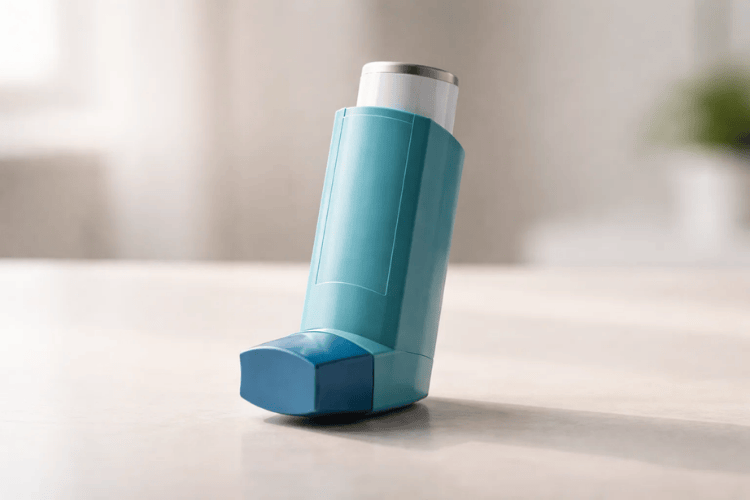
Up to 66,000 new childhood asthma cases – equivalent to 11 percent of all cases – could be prevented each year if European countries complied with the World Health Organization's (WHO) air quality guidelines for particulate matter (PM2.5). Beyond that, even 190,000 new cases per year could be avoided if air pollution were reduced to the currently lowest pollution level among countries, according to a new study by the Barcelona Institute for Global Health. These are the key findings of the study, now published in the European Respiratory Journal (2019: source).
"The clear link between new asthma cases and air pollution from particulate matter, nitrogen dioxide, or soot reveals that it's worthwhile to consistently analyze and check both outdoor and indoor air," says indoor air expert Dr. Daniel Lehmann of Corant GmbH. The physicist develops the air-Q air analyzer, which specifically measures and analyzes pollutants in room air. The device is meant to ease and prevent allergies.
For the childhood asthma study: data from 63.4 million children analyzed
For the study, ISGlobal analyzed data from 63.4 million children in 18 European countries. Specifically, census data from 18 European countries and childhood asthma incidence rates from the Global Burden of Disease Study database were used. Exposure to the various pollutants was calculated using a harmonized European statistical model (land use regression) based on multiple measurements across Europe.
Besides particulate matter, the effects of nitrogen dioxide (NO2) and soot (carbon black) were also examined. The attributable percentage of new asthma cases is somewhat lower for these two air pollutants, but still significant: 23 percent for nitrogen dioxide and 15 percent for carbon black.
However: according to the study, complying with the WHO air quality guideline for nitrogen dioxide could only prevent 0.6 percent of new asthma cases. "We therefore recommend that these values be updated and lowered, to better protect children's health," says David Rojas-Rueda, one of the scientists who led the study at ISGlobal.
Figures for Germany: significantly fewer asthma cases
For Germany alone, the figures from the childhood asthma study mean: with reduced nitrogen dioxide levels in the air, almost 17,000 new cases of allergic asthma in children aged 1 to 14 could be prevented in Germany. For particulate matter, it's more than 26,000, and for soot, 11,000 cases.
The study, and the large number of cases, show that it's worthwhile fighting for clean air. The WHO's initiatives to further lower thresholds for nitrogen dioxide and particulate matter are clearly heading in the right direction. After all, health, especially children's health, is too valuable not to act sustainably. There's a lot to do.
(Image: pixabay / Bob Williams)