
5 Tips for an Allergy-Friendly Home
During pollen season, many allergy sufferers only find relief indoors. To help you breathe easier within your own four walls, you should turn your home into an allergy-friendly space. We share 5 simple tips for turning your home into a feel-good oasis for allergy sufferers and minimizing symptoms.
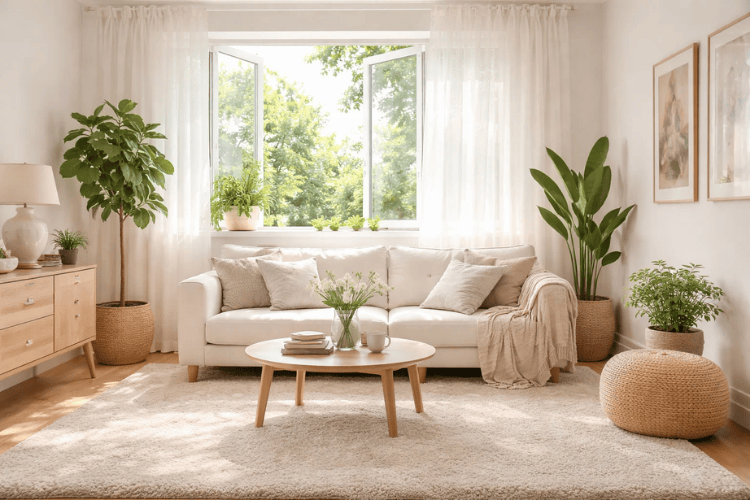
As the first signs of spring appear, pollen season begins. For allergy sufferers, this means living with symptoms like sneezing, itching, or breathing difficulties. Fortunately, there are various simple measures anyone can take to make their home allergy-friendly. This improves your quality of life and minimizes the bothersome symptoms of your allergy.
1. Regular cleaning & dust removal are the foundation of an allergikerfriendly home
Dust is a common trigger for allergies. This is especially true because allergens can cling to dust particles and enter the body through breathing. There, they can trigger or worsen allergies. That's why it's important to clean your home regularly. When vacuuming, use a HEPA filter, which captures even the smallest particles and prevents them from re-entering the air.
Also wipe down surfaces with a damp cloth. This picks up the dust instead of just stirring it up. Wash bedding and curtains regularly to remove allergens.
In a hands-on trial, we tested whether the HYLA water vacuum cleaner could clean the air and increase humidity. Read about how (and whether) this works in our article "HYLA Water Vacuum Cleaner: The Test in the air-Q Lab".
Choose allergy-friendly materials to reduce allergy triggers
When choosing furniture, rugs, and bedding, look for hypoallergenic materials that are easy to clean. Avoid rugs, especially high-pile ones, as they collect dust and dirt. Instead, opt for hard flooring like wood, tile, or laminate, which are far easier to maintain.
Allergy-friendly bedding, such as special mattress, blanket, and pillow covers, supports healthy, restful sleep despite allergies. They create a barrier against the tiny organisms that trigger or worsen allergies. To do this, bedding made from special materials is woven tightly enough to prevent allergens such as dust mites, pollen, pet hair, and mold spores from getting through. This minimizes your exposure to allergens while you sleep, which can reduce allergy symptoms such as sneezing, a runny nose, itching, and skin rashes. Allergy bedding is also often hypoallergenic, meaning it's free of substances that commonly trigger allergies.
Improve air quality & reduce allergy symptoms
Good air quality is crucial for allergy sufferers. For more symptom-free breathing, you can improve your indoor air by using air purifiers with HEPA filters. Air purifiers remove allergens from the air and clean it. Also keep the humidity in your home between 30 and 50 percent. On one hand, this prevents mold growth; on the other, adequate humidity in the air you breathe reduces irritation of the mucous membranes, which can otherwise promote allergic reactions.
Regular ventilation keeps the air in your home fresh and clean. To avoid unnecessarily bringing more pollen or other allergens into the room, you should ventilate on an as-needed basis. This means only ventilating when the air quality in the room actually requires an air exchange. With an air quality monitor like the air-Q, you can monitor the composition of your air, detect pollutants, and know when it's time to ventilate.
.png)
4. Minimize pet allergens
Do you have pets that can trigger allergies? Then you should take the following measures. Keep pets out of bedrooms and other living areas where you spend a lot of time. Furniture and textiles where pet hair accumulates are especially critical. Brush your pets regularly outdoors to remove loose hair. Wash your bedding and blankets frequently. Special air filters can also help reduce pet allergens.
5. Use natural cleaning products
Many conventional cleaning products contain harsh chemicals that can cause irritation in allergy sufferers. Use natural cleaning products like vinegar, baking soda, and lemon juice instead, which are just as effective but cause fewer allergic reactions. Also avoid fragrances in cleaning products. These too can trigger allergic reactions.
By following these simple tips, you'll achieve an allergy-friendly home. Creating an allergy-friendly environment may require some initial effort, but the long-term benefits for your health and well-being are definitely worth it.