
Wet-Bulb Temperature: A Comprehensive Guide
Discover the significance of wet-bulb temperature and its role in climate control and weather forecasting. Learn how it's measured, its practical applications in agriculture, construction, and air conditioning, and how to calculate the cooling limit temperature to optimize the efficiency of cooling systems.
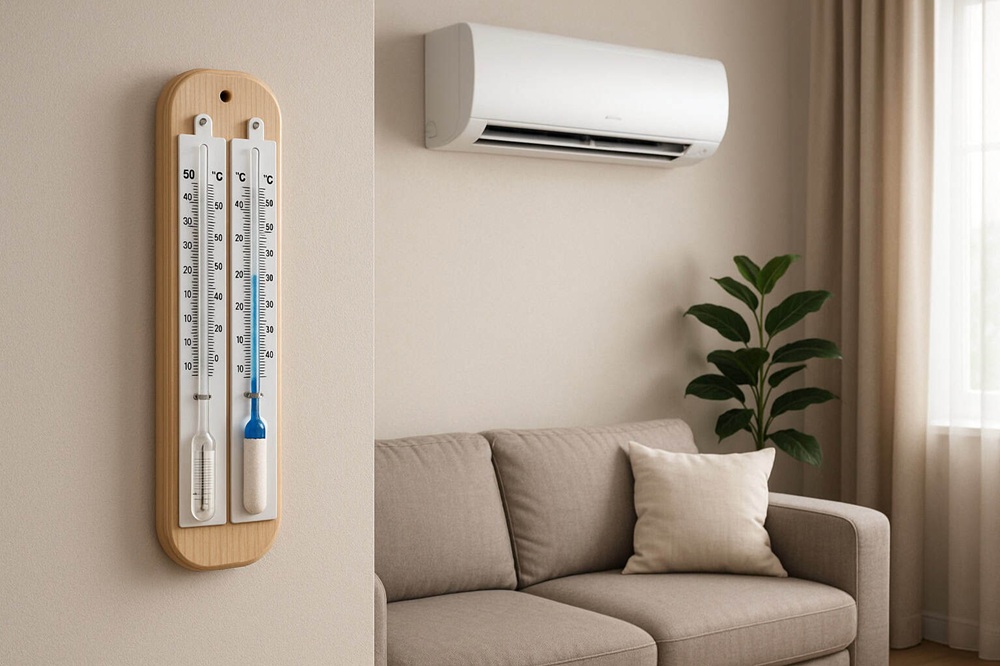
The wet-bulb temperature is a central concept in meteorology and climate control. It plays a crucial role in determining humidity as well as the cooling performance of air conditioners and evaporative coolers. In this article you'll learn what wet-bulb temperature is, how it's measured, and why it's so important. We'll also explain how you can calculate the cooling limit temperature and what practical significance the wet bulb has.
What is wet-bulb temperature?
The wet-bulb temperature is the temperature shown by a thermometer when it is wrapped in a damp cloth and exposed to the air. This temperature is usually lower than the actual air temperature, since the evaporation of water draws away heat. This process is referred to as adiabatic cooling. Wet-bulb temperature is a measure of the humidity of the air and indicates how much water the air can absorb at a given temperature.
Why is wet-bulb temperature important?
- Determining humidity: Wet-bulb temperature helps calculate relative humidity, which is an important factor for well-being and health.
- Air conditioning: In climate control, wet-bulb temperature is used to assess the efficiency of cooling systems.
- Weather forecasting: Meteorologists use wet-bulb temperature to predict weather phenomena such as fog or dew.
How is wet-bulb temperature measured?
Wet-bulb temperature is measured using a psychrometer, which consists of two thermometers: a dry-bulb thermometer and a wet-bulb thermometer. The wet-bulb thermometer has a wick soaked in water wrapped around its bulb. As air flows over the wick, the water evaporates, causing cooling. The difference between the two thermometer readings is used to calculate relative humidity.
Steps for measuring:
- Preparation: Make sure the wick of the wet-bulb thermometer is well soaked with water.
- Air movement: Ensure sufficient air movement around the thermometers to guarantee accurate evaporation.
- Reading: Note the temperatures of both thermometers and calculate the difference.
Factors influencing the measurement
- Ambient temperature: A higher ambient temperature can influence the evaporation rate and thus change the wet-bulb temperature.
- Air pressure: Changes in air pressure can also affect the measurement, especially at high altitudes.
- Humidity: High humidity reduces the evaporation rate, resulting in a smaller difference between the two temperatures.
The role of the cooling limit temperature
The cooling limit temperature is the lowest temperature that can be achieved through evaporative cooling. It is a crucial factor in the planning and optimization of cooling systems, especially in dry and hot climate zones. The cooling limit temperature indicates how effectively an evaporative cooler can work.
How can you calculate the cooling limit temperature?
To calculate the cooling limit temperature, you need the current air temperature and the wet-bulb temperature. The calculation is done by comparing these two values. A small difference between the air temperature and the wet-bulb temperature indicates high humidity, while a large difference indicates dry air.
Example:
- Air temperature: 30°C
- Wet-bulb temperature: 20°C
In this case, the cooling limit temperature is about 20°C, meaning that an evaporative cooler can cool the air down to this temperature.
Practical applications of wet-bulb temperature
The wet-bulb temperature has many practical applications across various fields:
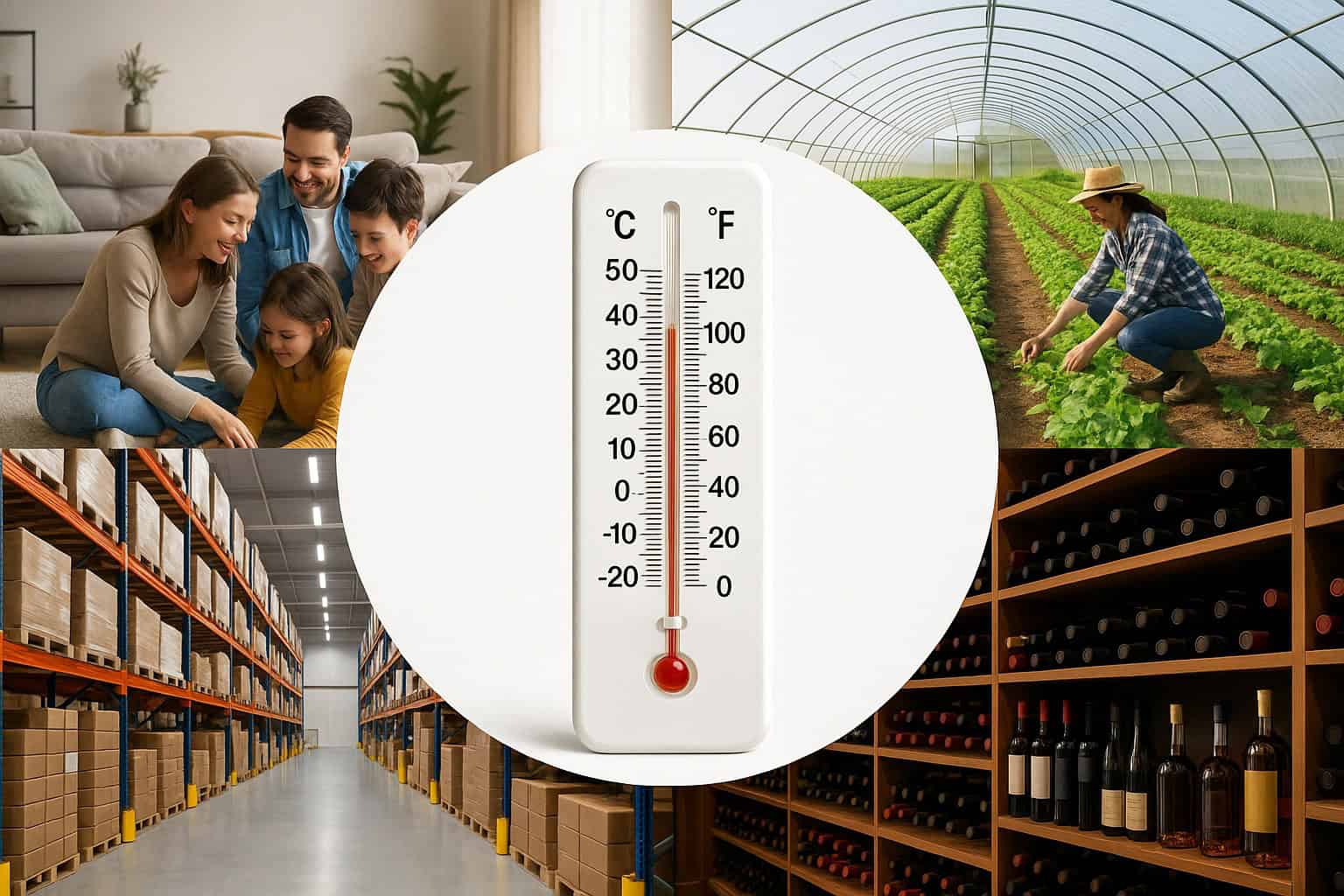
- Agriculture: Farmers use wet-bulb temperature to plan irrigation and monitor plant health. Knowing the humidity helps them better understand plants' water requirements and irrigate more efficiently.
- Construction: In the construction industry, wet-bulb temperature is used to determine the conditions for drying concrete and other materials. Precise knowledge of humidity can help optimize drying times and prevent cracking.
- Sports and leisure: For outdoor activities, wet-bulb temperature is an important indicator of heat stress and the need for breaks or extra fluid intake. Athletes and organizers of outdoor events use this information to ensure the safety and well-being of participants.
Further applications
- Power generation: In power plants that rely on evaporative cooling, wet-bulb temperature is a crucial parameter for maximizing efficiency.
- Storage: In warehouses storing temperature-sensitive goods, controlling wet-bulb temperature helps preserve product quality.
- Transportation: For transporting food and other perishable goods, monitoring wet-bulb temperature is important for optimizing conditions during storage and transport.
How does wet-bulb temperature affect air conditioning?
In air conditioning, wet-bulb temperature is a critical parameter that influences the efficiency of cooling systems. Air conditioners and evaporative coolers use wet-bulb temperature to maximize cooling performance and minimize energy consumption. A better understanding of wet-bulb temperature allows engineers and technicians to design systems that work optimally under a variety of climatic conditions.
Optimizing cooling systems
- Increasing efficiency: Knowing the wet-bulb temperature helps increase the efficiency of cooling systems by maximizing cooling at minimal energy consumption.
- Adapting to climate conditions: Systems can be adapted to work effectively in different climate zones by taking the specific requirements of the environment into account.
- Cost reduction: By optimizing cooling performance, operating costs can be lowered, which is particularly beneficial for large buildings and industrial applications.
The wet-bulb temperature is an indispensable tool for determining humidity and assessing the efficiency of cooling systems. By understanding wet-bulb temperature and the cooling limit temperature, you can plan better and take measures to improve air quality and well-being. Whether in agriculture, construction, or climate control — wet-bulb temperature provides valuable information that can be used across many fields.
With this knowledge, you're well equipped to apply wet-bulb temperature in practice and make full use of the benefits of this important metric. Whether for improving air quality or optimizing cooling systems, wet-bulb temperature is a key to creating comfortable and efficient environments.