
Thermo-Hygrometer – The Key to a Healthy Indoor Climate
Thermo-hygrometers reliably measure temperature and humidity for a healthy indoor climate. The digital devices offer precise values, easy reading, and useful additional features, ideal for any living, work, or hobby space.
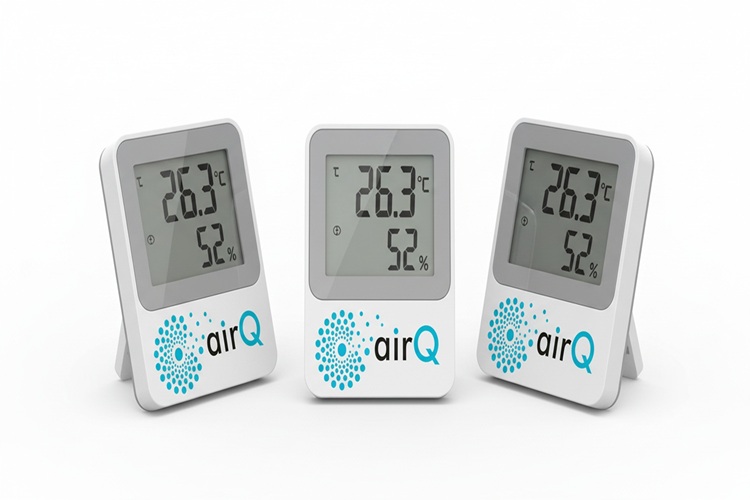
A comfortable home doesn't just have the right temperature, but also balanced humidity. Many people underestimate how strongly well-being and health are affected by the indoor climate. This is exactly where the thermo-hygrometer comes in: it measures temperature and humidity, enabling targeted control of your indoor climate — whether to prevent mold, save energy, or simply increase living comfort.
What exactly is a thermo-hygrometer?
A thermo-hygrometer is a combination device that measures temperature and humidity simultaneously. That sounds simple, but it's fundamental for assessing the indoor climate. Digital models in particular offer not just quick readability, but also additional features like memory, alarms, or app connectivity.
Briefly explained:
- Continuously monitors room air
- Combines temperature and humidity measurement
- Serves to prevent mold and dry air
- Supports optimal heating and ventilation
- Provides guidance for a healthy climate in work or private spaces
Why are thermo-hygrometers so important?
An optimal indoor climate noticeably increases well-being — but many people only notice a problem once it's too late. Excessive humidity, for example, can promote mold, while air that's too dry burdens the skin and airways. A thermometer hygrometer helps you take action before things become critical.
Benefits at a glance:
- Timely detection of mold risk
- Avoiding overly dry air
- Keeping an eye on temperature for efficient heating
- Early detection of ventilation needs
- More comfort and well-being
Function and technology at a glance
Most devices — whether a thermo & hygrometer or a hygrometer with thermometer — work with electronic sensors. Modern solutions rely on digital displays that show not just current values, but often also trends, highs and lows, and alarms.
Digital thermo-hygrometers stand out through:
- Precise measurement of temperature and humidity
- Fast value updates
- Often with memory and data-logger functions
- Optional app connectivity for long-term analysis
- Compact, space-saving design
Differences between analog and digital devices
While analog devices work without power, digital variants score with higher accuracy, comparability, and more comfort features. A typical digital thermo-hygrometer can display highs and lows, warn at limit values, or offer statistical functions.
Analog thermo-hygrometers:
- Work without batteries or power
- Need regular calibration
- Often slower to respond
- Limited readability
Digital thermo-hygrometers:
- Precise, fast measurements
- Directly readable numeric values
- Many additional features
- Partly maintenance-free and automated
- Better suited for integration into a smart home and complex monitoring
Proper placement and usage tips
Many mistakes result from placing the device incorrectly. Experts therefore advise:
- Don't place it directly on an exterior wall, above heating, or near a window
- Position the device freely on a shelf, table, or centrally in the room
- Take measurements at an appropriate interval after ventilating, cooking, or showering
Best practices:
- One device per room for reliable results
- Regularly check the device and recalibrate if necessary (especially for analog models)
- Use results as a basis for deciding when to ventilate or humidify
Use cases and application examples
Thermo-hygrometers are true all-rounders in a wide range of situations:
- In living spaces: preventing mold, protecting the building structure
- In children's rooms: for a healthy climate and better sleep
- In basement rooms: early detection of moisture problems
- In conservatories, greenhouses, and terrariums: optimal conditions for plants and animals
- In offices: protecting equipment and a comfortable atmosphere for employees
- In warehouses, workshops, and archives: preserving sensitive materials like wood, paper, or art
Modern additional features
Digital devices often offer more than just raw measurement data:
- Alarm function when limit values are exceeded
- Storage and visualization of readings
- Connection to a smartphone or computer for easy analysis
- Automatic notifications for critical fluctuations
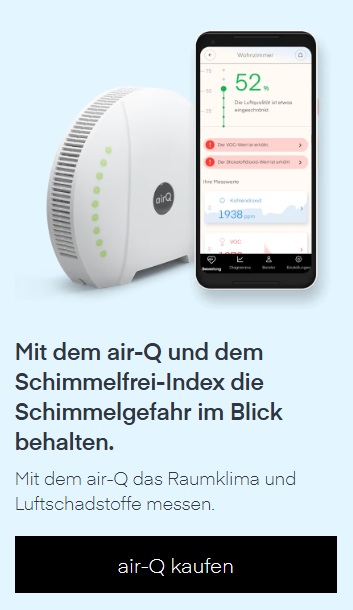
In the premium segment, like with the air-Q, additional sensors are often integrated (e.g. CO₂ or VOC), providing even more detailed information about the indoor climate.
Unobtrusively supportive: the air-Q and the perfect indoor climate
Anyone wanting to get the most out of air quality monitoring benefits from connected solutions. The air-Q reliably combines digital temperature and humidity sensors with the ability to take further measurements (CO₂, VOCs, particulate matter, and much more). This gives you not just point-in-time data, but also long-term trend data — letting you detect potential health hazards early. Especially pleasant: integration is unobtrusive, operation is intuitive, and the devices fit excellently into a smart home without feeling intrusive.
air-Q benefits in everyday use:
- Continuous monitoring via app
- Smart alarm functions and precise measurement
- Additional information on further climate parameters
- Easy integration into existing systems
- Optional long-term analysis
The optimal room temperature and humidity
The ideal climate depends on the room and individual preference — still, there are tried-and-tested guide values:
| Room | Temperature | Relative humidity |
|---|---|---|
| Living room | 20–22 °C | 40–60 % |
| Bedroom | 16–18 °C | 40–60 % |
| Bathroom | approx. 23 °C | 50–70 % |
| Basement | 10–15 °C | 50–65 % |
Tip: values outside these ranges can quickly lead to problems. Regularly checking your thermo-hygrometer pays off.
Common sources of error and tips
Devices are often placed incorrectly or readings misunderstood. What matters is:
- Never place the monitor directly on a (cold) exterior wall
- Do regular quick ventilation in rooms, don't leave windows permanently tilted
- If there are strong fluctuations, investigate the causes (e.g. water damage or inadequate insulation)
- Watch the long-term trend, not just individual readings