
Radon in the House: Symptoms and Protective Measures
Learn how radon in the house can endanger your health and what symptoms indicate radon exposure. Learn how to measure and reduce radon levels in your house to protect yourself and your family. Discover effective measures to improve air quality and minimize the risk of lung cancer.
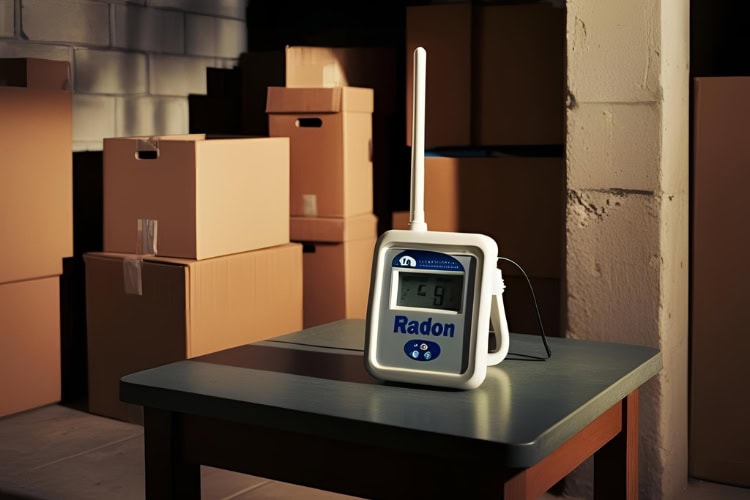
Radon is a naturally occurring radioactive gas formed by the decay of uranium in soils and rocks. It's colorless and odorless, which makes it especially insidious. Radon in the house can pose health risks, especially when radon levels in the house are high. In this article, you'll learn what symptoms can indicate radon exposure and how to make your home safer.
What is radon, and where does it occur?
Radon is a noble gas found in the Earth's crust. It forms through the decay of uranium and can enter houses through cracks and gaps in the ground. Elevated radon levels in the house are especially possible in areas with high uranium content in the soil. The gas can accumulate indoors, especially in basements and ground-floor areas with little ventilation.
How does radon get into a house?
- Cracks in the foundation: radon can enter the house through cracks and gaps in the foundation.
- Floor slabs: leaky spots on floor slabs offer an entry point.
- Utility lines: openings for lines and pipes can also be entry points.
- Water sources: in some cases, radon can also enter a house via water, especially when the water comes from a well.
Radon symptoms – what to watch out for
Radon is an invisible, odorless gas that mainly enters buildings from the ground and poses health risks. Since radon itself doesn't cause direct acute symptoms, the first signs of radon exposure are often only noticeable late and usually relate to health consequences that develop over years.
Typical symptoms that can indicate prolonged radon exposure are primarily breathing difficulties, persistent coughing, recurring colds or bronchitis, and an uncomfortable feeling of pressure in the chest. Shortness of breath and increased susceptibility to respiratory infections can also occur. Since radon significantly increases the risk of developing lung cancer, these symptoms should be taken seriously, especially in people living in radon-exposed buildings. Radon symptoms briefly summarized:
- Breathing difficulties: chronic respiratory problems can be a sign of radon exposure.
- Frequent respiratory infections: recurring colds or bronchitis can be caused by weakened lungs due to radon.
- Fatigue and headaches: general exhaustion and headaches could indicate poor air quality caused by radon.
It's important to note that radon symptoms are often nonspecific and can also have other causes. A radon measurement in the house is therefore essential to reliably detect exposure and take countermeasures in time. Through targeted ventilation, sealing, and professional remediation, radon levels can be effectively lowered and the risk of serious illness prevented.
For healthy room air and to protect your family, you should never ignore possible radon symptoms and have a professional radon measurement carried out if you suspect exposure.
Health risks from radon:
- Lung cancer: long-term radon exposure significantly increases the risk of lung cancer.
- Respiratory damage: radon can damage lung tissue, increasing susceptibility to other respiratory diseases.
How can you measure radon in the house?
To determine whether radon in the house is a problem, you should measure radon levels. There are various ways to do this:
- Short-term measurements: these tests usually last two to seven days and give a quick overview of radon concentration.
- Long-term measurements: these tests, over a period of three months to a year, provide a more accurate picture of average radon exposure. The air-Q Radon is the perfect device for this measurement.
- Professional measurements: experts can carry out detailed analyses and recommend specific reduction measures.
Measures to reduce radon in the house
If radon levels in the house are high, you should immediately take measures to reduce the concentration:
- Improved ventilation: increase air circulation in basements and ground-floor areas.
- Sealing measures: seal cracks in the foundation and around pipes.
- Radon extraction: install a radon extraction system to vent the gas out of the house.
- Pressure equalization: pressure adjustment techniques can prevent radon from being drawn into the house.
Practical tips:
- Ventilate: regular ventilation can help reduce radon concentrations.
- Floor sealing: a sealed floor slab can prevent radon from entering.
- Professional help: consult a radon expert to find the best solutions for your home.
-(300-x-250-px)-(1500-x-1300-px).jpg)
Long-term monitoring and maintenance
After taking measures to reduce radon, it's important to regularly monitor radon levels in the house. Long-term tests can ensure that the measures taken are effective and that radon concentration stays at a safe level.
- Annual tests: carry out a radon test at least once a year.
- Maintaining extraction systems: ensure that all installed systems function properly and are maintained.
Radon poses a serious health risk that's underestimated in many households. Radon in the house can go unnoticed, since it causes no immediate symptoms. Long-term exposure, however, can lead to serious health problems, especially lung cancer. Through regular measurements and appropriate measures to reduce radon levels in the house, you can minimize the risk and create a safe living environment. Learn about the options for radon measurement and remediation to protect your family and improve the air quality in your home.
With this knowledge and the right measures, you can ensure that radon in the house is no longer an invisible risk.