
Radon Exposure in Germany: How to Protect Yourself From the Invisible Risk
Radon is a naturally occurring radioactive noble gas that escapes from the ground and can enter buildings unnoticed. High radon exposure poses a significant health risk. How widespread is radon in Germany? And how can you measure exposure?
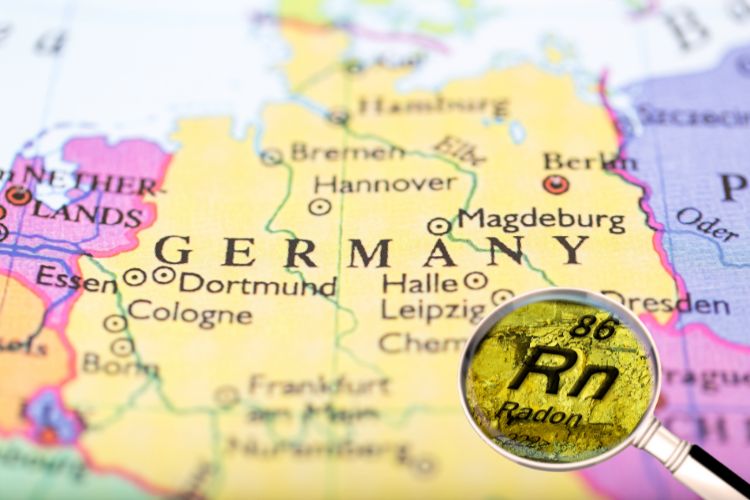
Radon is an invisible, odorless gas formed by the decay of uranium in the soil. It can enter houses through cracks or building materials and accumulate there — especially in basements and ground floors. Long-term exposure significantly increases the risk of lung cancer. In Germany, regions with a lot of uranium in the soil, such as parts of Bavaria, Saxony, or the Black Forest, are especially affected. Monitors can determine exposure, and radon in a house can be effectively reduced through ventilation, sealing, or special protective systems.
What is radon, and why is it dangerous?
Radon forms through the decay of uranium in the soil and can enter buildings through cracks, gaps, or building materials. The invisible, odorless gas accumulates indoors, especially in basements and ground-floor rooms. Long-term exposure significantly increases the risk of lung cancer.
Especially at-risk areas:
- Regions with high uranium or radium concentration in the soil
- Areas with low air circulation in living spaces
Radon exposure in Germany: an overview
Radon exposure in Germany varies by region. Elevated radon levels occur especially in the southern and central parts of the country, such as Bavaria, Saxony, and the Black Forest.
Germany's radon map
The Federal Office for Radiation Protection's (BfS) "radon map" shows radon exposure in the various regions of Germany. On this map, you can see whether your region is among the risk areas. Especially affected are:
- Hill and mountain regions
- Areas with permeable subsoil
A current radon exposure map helps you better assess risks and plan appropriate protective measures.
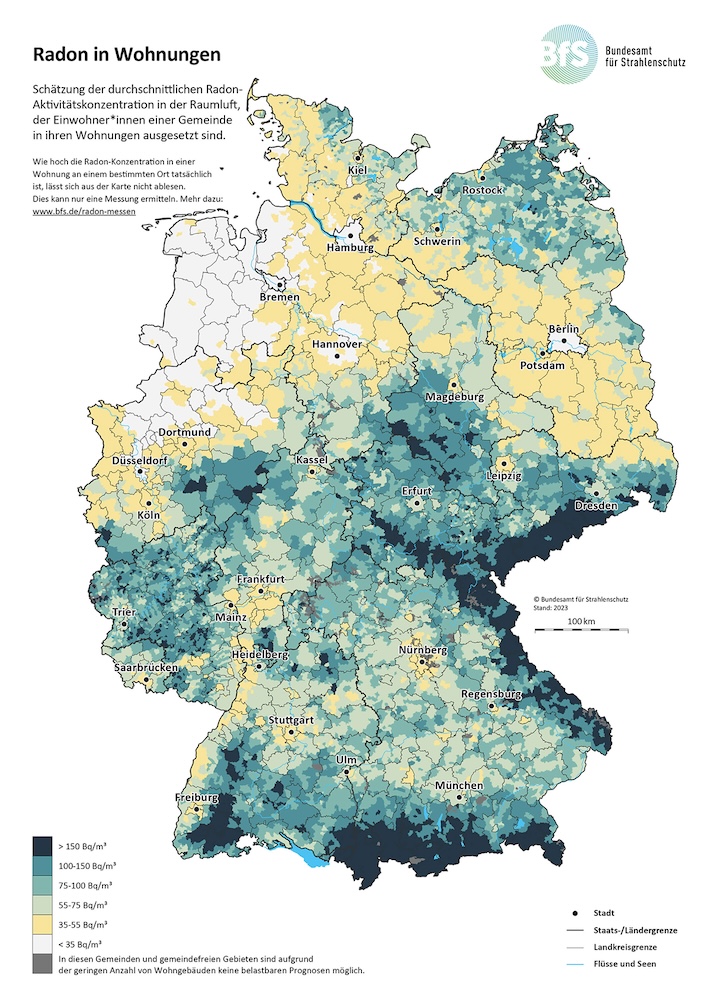
Tip: you'll find a zoomable map in the BfS geoportal.
How can radon exposure be measured?
A radon measurement is the first step to determine exposure in your home. Special radon monitors capture concentration in the air and provide important data for assessing the risk.
Methods of radon measurement
- Long-term measurement (3-12 months):
- Ideal for capturing seasonal fluctuations.
- Uses passive measurement methods like detectors placed in living spaces.
- Short-term measurement (2-7 days):
- Faster results, but less accurate.
- Suited for initial assessments.
- Professional radon measurement:
- Experts use high-precision devices and offer comprehensive analyses.

How do you best protect yourself against radon?
If radon exposure in your home is elevated, there are effective measures to reduce concentration:
1. Ventilate rooms
Regular quick ventilation ensures better air circulation and reduces radon concentration.
2. Seal leaks
Seal cracks and gaps in basements and floor slabs to minimize radon's entry.
3. Install radon protection systems
Radon extraction or ventilation systems help lower exposure over the long term.
Radon is an often underestimated risk that occurs in many regions of Germany. With a radon exposure map, you can find out whether your region is affected, and with appropriate measurement methods, check the concentration in your home. Preventive measures like regular ventilation and sealing help reduce radon exposure and protect your health.