
Radon-222 Indoors: Detecting and Measuring an Invisible Danger
Radon-222 is a natural, radioactive gas that can enter homes through cracks and gaps. It increases the risk of lung cancer, yet remains invisible. With the air-Q, you can continuously measure radon, detect high levels, and take targeted countermeasures to protect your indoor air.
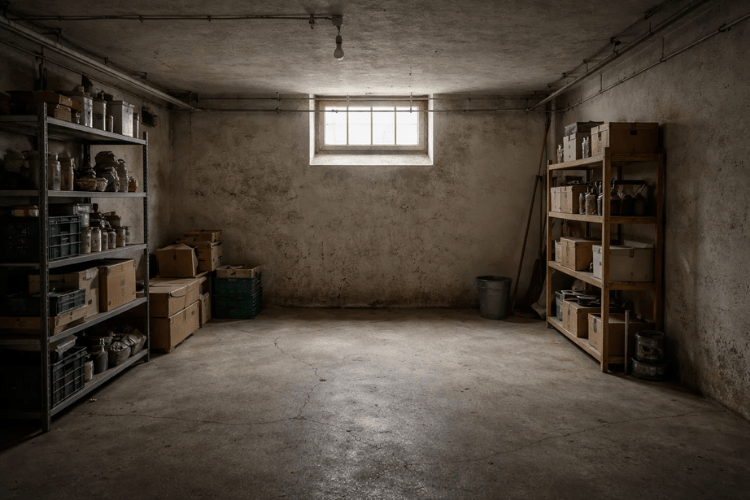
Radon-222 is a naturally occurring, radioactive noble gas that can enter houses and apartments from the ground. It's colorless and odorless, so you don't notice it directly. And yet it can pose a serious health risk. Via cracks in the foundation, leaky basement windows, or gaps in the masonry, the gas enters indoor air and can accumulate especially in basements and poorly ventilated rooms.
How radon-222 forms and where it occurs
Radon-222 forms through the natural decay of uranium-238, which occurs in granite, shale, and other rocks. The gas is heavier than air, which is why it stays close to the ground before spreading into living spaces. The half-life of radon-222 is about 3.8 days — enough time to accumulate in poorly ventilated rooms. Especially in regions with uranium-containing soil or a high groundwater level, radon levels can be significantly above the recommended limit values.
The dangers of radon-222 indoors
Radon itself is radioactive, but the greatest danger comes from its decay products, which can settle in the lungs. Long-term radon exposure significantly increases the risk of lung cancer. Experts consider radon-222 one of the most important natural risk factors for lung cancer after smoking. Exposure is especially critical in basements, garden-level apartments, or buildings in radon-rich areas.

Measuring radon: how to detect your radon risk
To reduce radon risk, measurement is crucial. The following methods are used:
- Passive long-term detectors: These are placed in a room for several weeks or months and then evaluated.
- Active meters: Electronic sensors provide continuous radon readings in real time.
- Professional radon measurement: Specialized companies precisely analyze radon exposure and provide concrete recommendations for action.
The air-Q radon offers a clear advantage here: it measures radon continuously and immediately shows when the concentration rises. The data is automatically stored, visualized, and provided with warnings, so the radon risk can be monitored at all times.
How the air-Q helps lower radon levels
With the air-Q, you can specifically reduce your radon risk. The device provides not just current readings, but also guidance for countermeasures like intensive ventilation, sealing cracks, or targeted ventilation of basement rooms. This lets residents effectively lower indoor radon exposure and protect their health. At the same time, the air-Q monitors numerous other air pollutants, giving a comprehensive picture of indoor air quality.
Conclusion: measure radon and take action
Radon-222 is invisible, but measurable. Anyone who regularly measures radon indoors and takes countermeasures when needed can significantly reduce their risk of lung cancer. With air-Q, you always keep an eye on radon levels, can react quickly, and improve the air quality in your home. Active monitoring is the best protection against this invisible danger from the ground.