
Nitrogen Dioxide Indoors: An Underestimated Toxic Gas
Nitrogen dioxide is an invisible toxic gas that can form indoors from gas stoves, heating, or outdoor air. The focus is on health risks, typical sources, and ways to reliably measure and reduce NO₂.
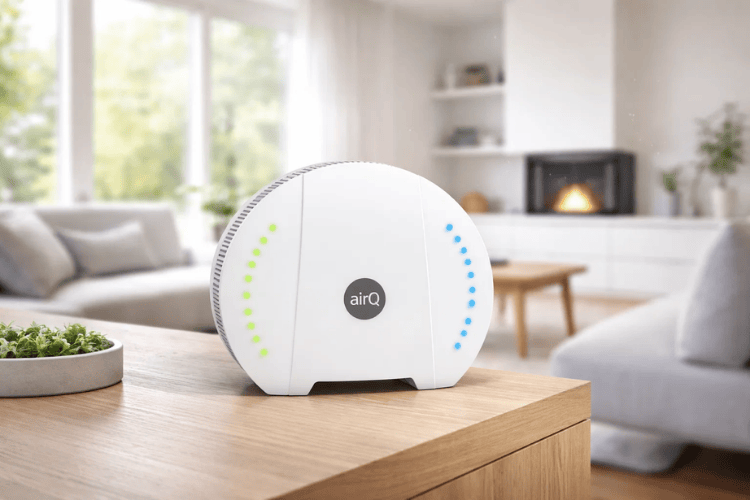
Nitrogen dioxide, or NO₂ for short, is a gas that's often overlooked, even though it can significantly impair indoor air quality. Concentrations can rise especially in urban apartments where gas stoves, fireplaces, or heaters are operated. Nearby road traffic also contributes to exposure via open windows or ventilation systems. Anyone who doesn't monitor air quality risks respiratory irritation and long-term health consequences.
What is nitrogen dioxide, and where does it form?
NO₂ belongs to the nitrogen oxides and forms mainly from burning fossil fuels. Typical sources indoors are:
- Gas stoves and gas ovens: nitrogen dioxide is released while cooking and heating
- Fireplaces and wood stoves: incomplete combustion produces NO₂ and other pollutants
- Heating systems using fossil fuels: poorly maintained systems in particular can release NO₂.
- Outdoor air: in urban apartments, road traffic can bring nitrogen dioxide indoors through open windows or ventilation systems.
Nitrogen dioxide is invisible and odorless, so exposure often goes unnoticed.
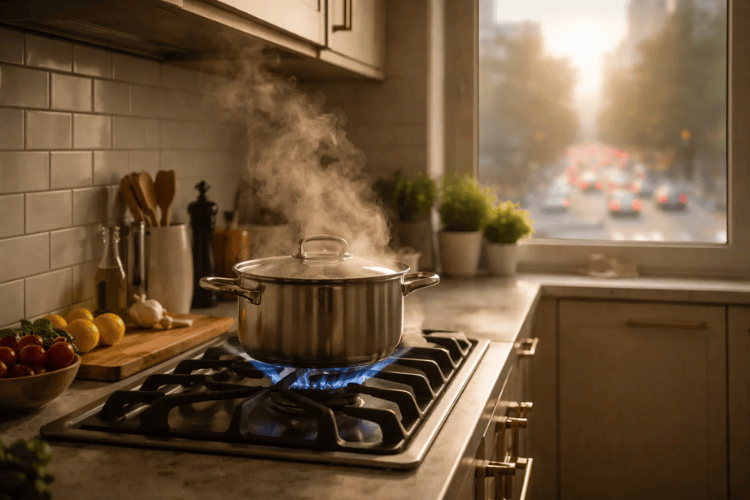
Effects of NO₂ on health
Nitrogen dioxide irritates the airways. Children, people with asthma or chronic respiratory diseases, and older people react especially sensitively. Even relatively low concentrations over an extended period can burden the airways. Typical health consequences are coughing, respiratory irritation, and watery eyes. Anyone regularly exposed to NO₂ can experience worsening asthma or bronchitis. Long-term, lung function can be impaired, increasing susceptibility to infections and chronic diseases.
How to monitor nitrogen dioxide indoors
Thanks to modern sensor technology, exposure to nitrogen dioxide can now be measured directly. With devices like the air-Q pro or the air-Q science, NO₂ values can be precisely captured. These sensors provide real-time data on nitrogen dioxide concentration in room air and enable a precise analysis of air quality.
Through continuous measurement, exposure spikes become visible, for example while cooking on gas stoves, or operating fireplaces or heaters. Based on this data, targeted measures can be taken to improve air quality. Anyone who regularly monitors room air not only detects short-term exposure, but also long-term trends, and can act early, before health effects occur.
Measures to reduce nitrogen dioxide
Exposure to nitrogen dioxide can be significantly reduced through targeted ventilation, especially during and after cooking or operating a fireplace. Range hoods and ventilation systems should be actively used to directly vent pollutants outside. Regular maintenance of gas appliances, fireplaces, and heating systems ensures they work efficiently and release less NO₂. Anyone who switches to alternative cooking methods like induction further reduces the formation of nitrogen dioxide. Continuously monitoring room air with a device like the air-Q helps detect exposure spikes and take targeted countermeasures.
Conclusion
Nitrogen dioxide indoors is an underestimated risk. Invisible and odorless, it can irritate the airways and impair lung function long-term. Through regular ventilation, maintaining heating and gas appliances, and monitoring room air with a device like the air-Q, exposure can be significantly reduced. This lets homes and offices be made healthier, and especially sensitive people are protected.