
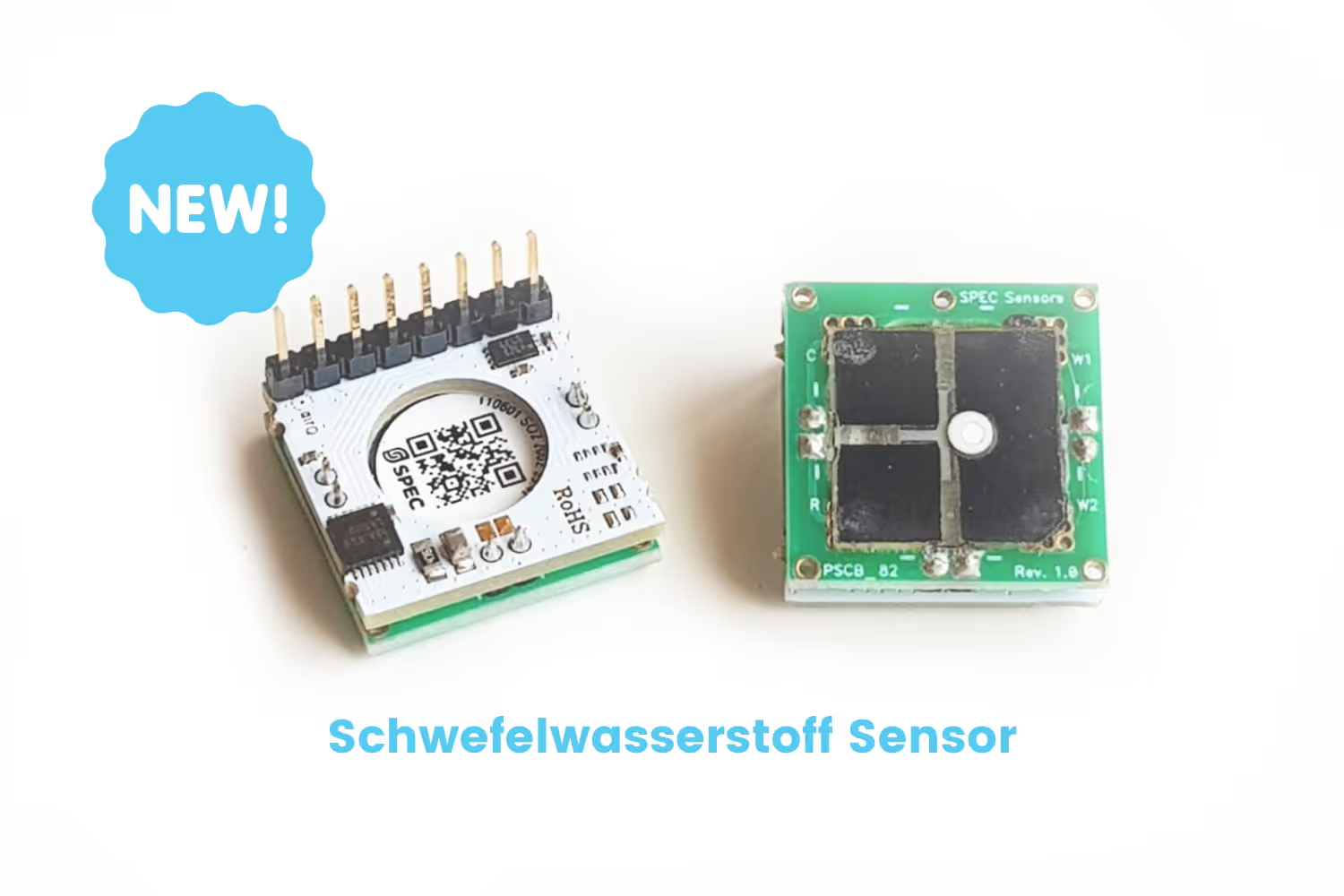
New Product: air-Q Sensor for Hydrogen Sulfide (H₂S)
Hydrogen sulfide is colorless, foul-smelling, and highly toxic. On top of that, the gas is also combustible and highly flammable. If you heat with oil or live near landfills, sewage treatment plants, or manure pits, you should check the H₂S concentration in your room air. Our new sensor makes this possible. We introduce our new product.
The extremely flammable gas forms an explosive mixture with air. You can recognize it by its typical rotten-egg smell. This pungent note develops during the decomposition of sulfur-containing amino acids in proteins. Even though small amounts are already noticeable, smell tests are strongly discouraged. That's because the effect of this highly toxic gas can be compared roughly to that of hydrogen cyanide. On top of that, while the odor threshold is 0.15 milligrams per cubic meter, gradual olfactory fatigue can occur.
Occurrence & health effects of hydrogen sulfide (H₂S)
In nature, hydrogen sulfide occurs, for example, in petroleum and natural gas. The gas also forms during decay or decomposition processes — meaning during biomass breakdown. That's why elevated H₂S levels are also measured at landfills, sewage treatment plants, manure pits, or in sewer systems.
At higher concentrations, the gas acts lethally within seconds. But even in smaller amounts, hydrogen sulfide impairs well-being.
Symptoms of hydrogen sulfide poisoning:
- Dizziness
- Fatigue
- Irritation of the eyes, nose, throat, and lungs, up to shortness of breath
- Memory and concentration problems
- Irritability
- Loss of appetite
For more information on how H₂S forms and what limit values exist, see our post.
Monitoring hydrogen sulfide with the new air-Q sensor
Our new electrochemical hydrogen sulfide sensor measures H₂S levels in your rooms with high accuracy and sensitivity. If limit values are exceeded, the air quality monitor reliably warns you via the LED traffic-light technology on the device itself. You also get warnings and recommended actions in the air-Q app as well as the web app.
Use cases for the hydrogen sulfide sensor
With the air-Q sensor, you detect the following situations early and gain time to act and avert consequences.
- Gas leak & impending gas explosion in heating systems
- leaky pipes in sanitary areas
- decomposition processes of animals
- rotting organic material: for example in seals, building materials, or waste
- accompanying signs of mold
By measuring humidity and hydrogen sulfide in the air, the air-Q can detect air conditions that favor mold. By checking the readings, you can help prevent mold from forming in your home.
Already have an air-Q and want to retrofit the hydrogen sulfide sensor? No problem, the sensor is suitable for all air-Q models except air-Q Light and can also be installed later. Use the additional slots in your air quality monitor for this. Our video shows you how to integrate an additional sensor in just a few steps:
You'll find our new sensor in our shop.
(Cover image: air-Q)