
Negative Pressure Switch – Safety and Efficiency for Modern Home Technology
A negative pressure switch monitors the air pressure between a room and the outside area, protecting against dangerous negative pressure when a fireplace, ventilation system, or range hood are operated at the same time. It automatically shuts off exhaust devices before exhaust gases can flow back into the living space.
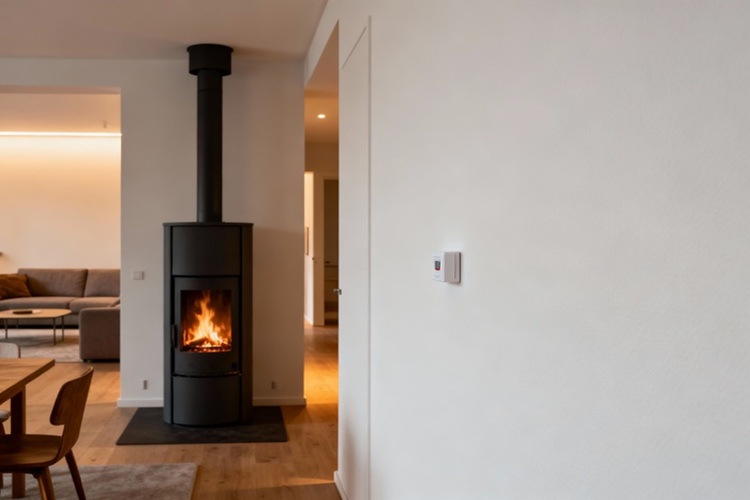
Anyone operating a controlled home ventilation system, a range hood, or a fireplace today can hardly avoid one device: the negative pressure switch. It ensures that the interplay of fresh air, exhaust air, and the fireplace works safely. Without it, things can get dangerous — mainly through backflow of exhaust gases or uncontrolled air exchange.
This post comprehensively explains what a negative pressure switch is, how it works, where it's used, and why it's now mandatory in many buildings.
What is a negative pressure switch?
A negative pressure switch is a safety device that measures the air pressure difference between the indoor space and outdoor air. Its purpose: to prevent excessive negative pressure from building up in an enclosed space.
For example, if a ventilation system or a range hood extracts air, a slight negative pressure develops in the room. If a fireplace or stove is operated at the same time, this can cause flue gases or carbon monoxide to flow back into the living space. The negative pressure switch detects this situation and responds.
Typical tasks of the device:
- Monitoring the differential pressure between room air and outdoor air.
- Turning off or blocking an exhaust system when negative pressure is too high.
- Protecting people by preventing dangerous exhaust gas backflow.
- Only allowing operation when there's sufficient fresh air supply.
Why is a negative pressure switch important?
Modern houses are built airtight. This saves energy, but poses dangers as soon as several technical systems run at the same time. Without compensating fresh air, dangerous negative pressure can quickly build up. This is especially critical with open fireplaces.
A negative pressure switch provides protection in two ways here:
- Safety: it prevents flue gases from getting back into the room.
- Efficiency: the systems work optimally because airflows stay controlled.
- Comfort: no unpleasant drafts, no exhaust gases in the living space.
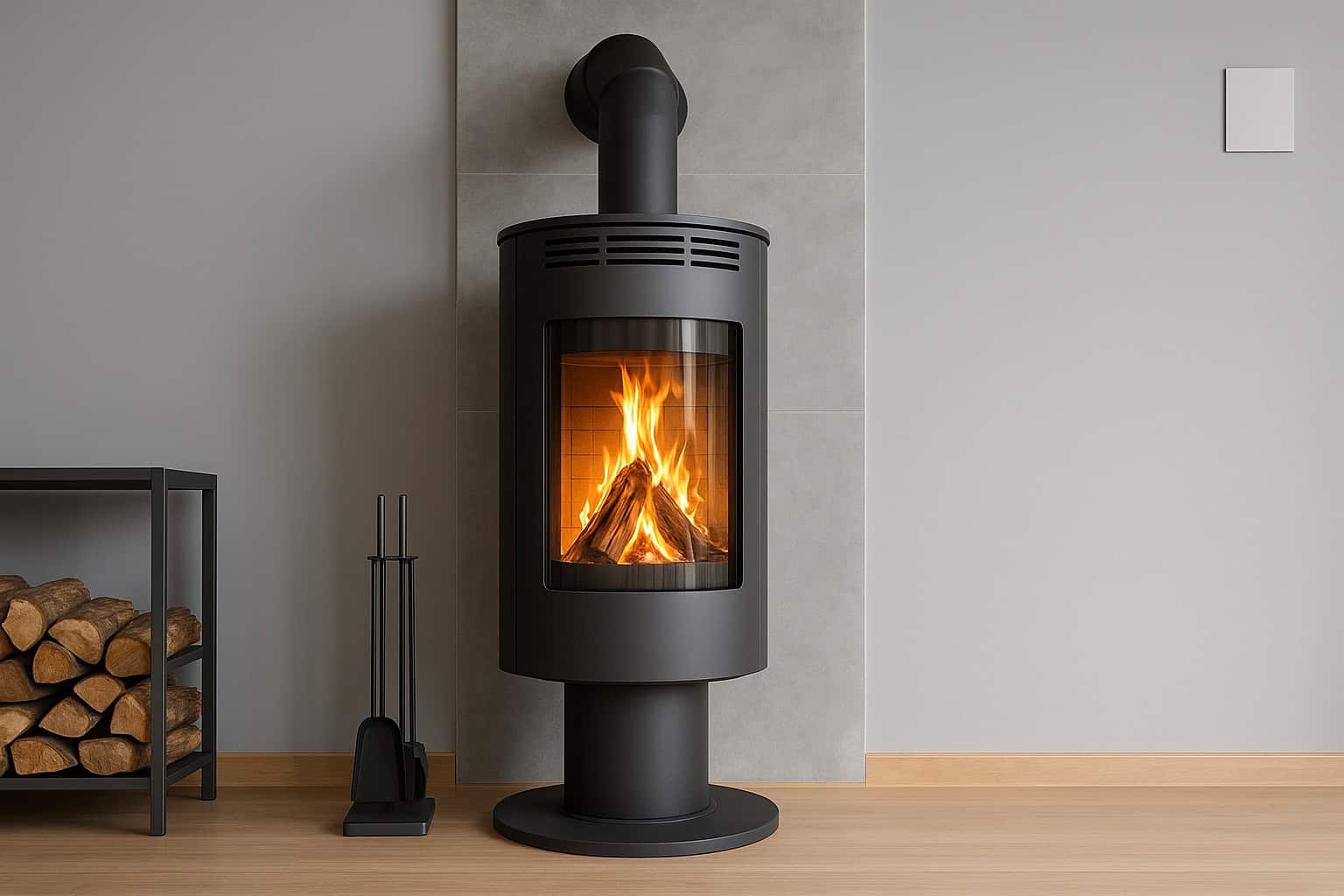
Structure and function of a negative pressure switch
The function is based on a pressure sensor that measures air pressure. As soon as a set threshold is exceeded, the device automatically shuts off the exhaust source — for example, the range hood — or issues a warning notification.
Important components:
- Pressure sensor: measures the air pressure difference.
- Control unit: evaluates the data.
- Switching contact or radio module: shuts off connected devices when needed.
- Connecting tubes: connect the sensor to the indoor space and outdoor area.
Many models today have radio technology and can even communicate wirelessly with fans or hoods. This significantly simplifies installation — especially in existing buildings.
Individual pressure monitoring with air-Q
The air-Q air analyzer offers far more than ordinary negative pressure sensors. Its built-in sensor reliably measures not just positive pressure up to 1.2 bar, but also detects strong negative pressure down to 0.3 bar and even below, though measurement accuracy can decrease slightly in this low range. The ability to individually set alarm thresholds is especially practical.
Users can decide, entirely according to their needs, at what pressure value a notification is triggered. The air-Q system supports various alarm types, from a classic beep to push notifications to automated email notifications or custom automation solutions. This enables reliable, personalized monitoring in both private and professional settings, contributing to a safe and healthy indoor climate and integrating optimally with other smart home systems
Negative pressure switch for a fireplace
A fireplace negative pressure switch is mandatory when a stove or fireplace with room-air-dependent combustion is operated together with an exhaust system. The switch ensures that no exhaust gases are pushed back into the living space.
Sequence of operation:
- The range hood or ventilation system starts.
- The negative pressure switch measures the pressure in the room.
- If a critical value is reached, the device automatically stops the exhaust system.
- Only once sufficient fresh air is present is operation allowed again.
Use is especially mandatory in combination with a chimney sweep, who regularly checks the function as part of the fireplace inspection.
Negative pressure switch for a ventilation system
A ventilation system ensures controlled air exchange. But when it operates exhaust fans, a pressure differential can develop here too. The negative pressure switch for a ventilation system ensures, in combined systems with a fireplace, gas boiler, or stove, that this difference doesn't become dangerous.
Practical benefits in everyday use:
- Automatic monitoring without manual intervention.
- No danger when using several systems at once.
- Compatibility with modern smart home controls.
Some models can also be integrated into building automation, so malfunctions are reported directly or exhaust systems are automatically regulated.
Negative pressure switch for a range hood
Another classic use case is the range hood negative pressure switch. Here too, the device protects against backflow of dangerous gases, for example when a fireplace is running while cooking.
Integration options:
- Direct connection to the hood via power line.
- Radio connection to the negative pressure sensor.
- Combination with a window contact switch.
Some range hoods already come from the factory equipped with an interface module, so only the pressure sensor needs to be added. This reduces installation effort and costs.
-(300-x-250-px)-(1500-x-1300-px).jpg)
Wireless solutions: negative pressure switches with radio
The trend is moving toward wireless systems. A radio negative pressure switch offers several benefits:
- No cable routing needed — ideal for retrofits.
- Flexible signal transmission via radio transmitters and receivers.
- Fast installation without intervening in the electrical circuit.
- Easy pairing of multiple devices (e.g. hood, window, fan).
Especially during renovations or in existing buildings, radio is an efficient and clean solution. Despite radio transmission, users should look for certified products with a stable connection and CE marking.
Legal requirements and standards
Whether a negative pressure switch is required depends on the combination of devices in the household. Generally: if a room-air-dependent fireplace (fireplace, stove, gas boiler) can be operated at the same time as an exhaust system (e.g. range hood or ventilation), a safety concept must be in place — usually in the form of a certified negative pressure switch.
Important regulations:
- State fireplace ordinances (FeuVO)
- DIN EN 1443 and DIN EN 13384
- Technical rules of the chimney sweep trade
A conversation with the responsible chimney sweep helps clarify the individual requirements. They can also recommend specific models and handle the inspection.
Assembly and installation
Installation should always be done by qualified professionals to avoid measurement errors or incorrect switching. In general:
- The pressure sensor must not be exposed to strong airflow.
- Air pressure is measured between the room and outdoor air.
- The control line or radio signal connects the switch with the exhaust system.
Many modern systems are plug-and-play capable and require little installation effort. Solid calibration ensures lasting reliability.
Care, maintenance, and lifespan
A negative pressure switch is largely maintenance-free, but should be checked regularly. Dust or contamination on the pressure lines can affect measurement accuracy.
Recommended:
- Visual inspection 1–2 times a year.
- Cleaning the pressure tubes with dry air.
- Function check during the annual fireplace service.
Long-lasting devices have robust sensors and usually last over 10 years before recalibration is needed.
Benefits at a glance
- More safety when using a stove and exhaust systems at the same time.
- Protection against carbon monoxide and flue gases.
- Automatic shutoff in the event of danger.
- Energy efficiency through controlled air exchange.
- Easy integration into existing systems, even via radio.
Common misconceptions about negative pressure switches
Many homeowners think a slight pressure differential is harmless. In fact, just a few pascals of negative pressure are enough to disrupt a fireplace's exhaust gas flow. The assumption that an open window is always enough as a fresh air supply is also only partly true — in practice, it's often forgotten. The negative pressure switch prevents exactly this human error.