
Naphthalene Sensor: Protection From an Invisible Threat to Your Health
Naphthalene is one of the invisible dangers in the air – it can come from old building materials, smoke, or exhaust fumes and can harm health. The air-Q's VOC sensor can detect early signs of possible exposure. This way, you know in good time whether action is needed, and you always keep an eye on the quality of your room air.
Summary: detecting naphthalene in room air
Naphthalene is a volatile organic pollutant (VOC) that can occur in room air. Sources include, for example, vehicle exhaust, tobacco smoke, or old building materials in buildings. Since naphthalene can be harmful to health, early detection is especially important.
A naphthalene sensor makes invisible exposure measurable. With the air-Q air analyzer, you can monitor many pollutants in real time. This lets you keep control over air quality in homes, offices, or businesses and actively take measures to improve it.
What is naphthalene?
Naphthalene is a chemical compound from the group of aromatic hydrocarbons. It appears as a whitish, crystalline solid with a strong, characteristic smell. It was formerly often used in mothballs, cleaning products, or pest control. So the question "what is naphthalene?" can be answered like this: it's a highly volatile substance that can evaporate even at room temperature, entering the ambient air as a result. Due to possible health risks, handling naphthalene is now considered critical, which is why it has been replaced in many applications.
Naphthalene in room air
Naphthalene exposure in room air occurs because the substance evaporates from solid products even at low temperatures. Indoors, this leads to an intense smell that many people find unpleasant. More critical, however, is the health effect: prolonged exposure to naphthalene in room air can cause headaches, irritation of the mucous membranes, or nausea.
What's especially problematic is that naphthalene was used in the past not only in mothballs or pesticides, but also in construction. It was sometimes used in the construction of public buildings like schools, for example in building products or insulation materials. As a result, elevated naphthalene concentrations can still be measured in the room air of older buildings today. This poses an ongoing risk to room air quality, which is why particular attention should be paid to checking for naphthalene-containing materials during renovations and refurbishments.
Why naphthalene is problematic
Naphthalene belongs to the group of so-called polycyclic aromatic hydrocarbons (PAHs). It forms, for example:
- from the incomplete combustion of wood, coal, or oil,
- from cigarette smoke,
- near heavily trafficked roads,
- in old buildings through certain building and insulation materials.
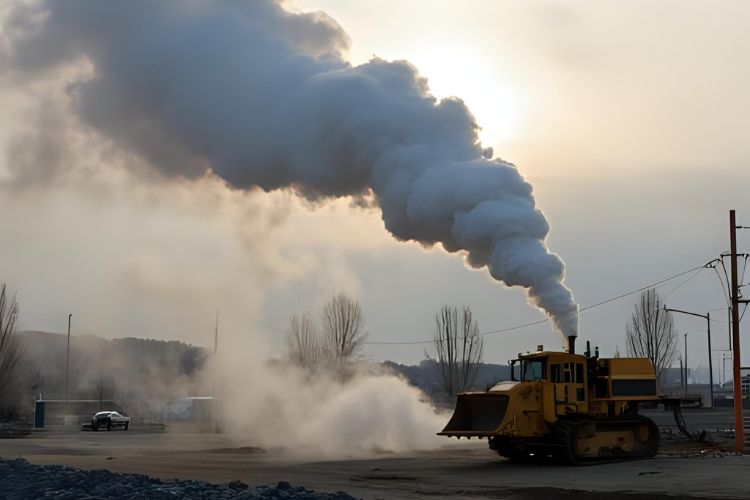
Long-term exposure to naphthalene can irritate the respiratory tract, cause headaches, and is suspected of being carcinogenic. Especially problematic: naphthalene is invisible and can only be detected by smell by humans at high concentrations.
.jpg)
Is there a naphthalene sensor, and how does it help?
A naphthalene sensor measures the concentration of this pollutant in the air. This has several benefits at once:
- Early detection: exposure becomes visible before it causes health problems.
- Prevention: you know exactly when it's time to ventilate or remove the source.
- Documentation: measurement data helps identify the causes of exposure over the long term.
Dedicated naphthalene sensors are very rare and barely used in practice. Instead, pollutants of this kind are captured via VOC sensors. VOC stands for volatile organic compounds – an entire group of substances that includes naphthalene.
-(300-x-250-px)-(1500-x-1300-px).jpg)
How the air-Q can provide indications of naphthalene
The air-Q air analyzer is equipped with a sensitive VOC sensor. It detects a wide range of volatile organic compounds – including those that can indicate the presence of naphthalene. The air-Q also measures more than 15 other parameters, including particulate matter, radon, and formaldehyde.
Concretely, this means:
- Early warning: if the VOC value rises significantly, this can be an indication of naphthalene or similar pollutants.
- Root cause analysis: air-Q measurement data can reveal patterns over time – for example, whether exposure is related to traffic, heating, or certain materials.
- Health protection: users can ventilate, look for the source, or consult experts if in doubt.
Important: the air-Q doesn't replace laboratory measurement, but it does provide valuable initial indications when air quality is impaired.