
Why You Should Measure Radon Regularly Even Outside Radon Protection Areas
Radon, an invisible and odorless radioactive gas, is an often underestimated risk in our homes and workplaces. While many of us believe that danger only lurks in designated radon protection areas, reality shows a different picture: radon can occur anywhere and cause health problems.
What is radon?
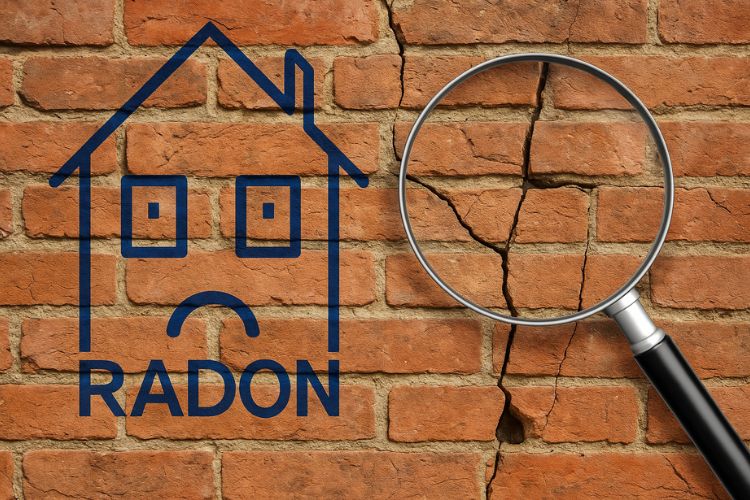
Radon is a radioactive noble gas that occurs naturally in the ground and can enter buildings through cracks and gaps. It's formed by the decay of uranium, which is present in the Earth's crust at varying concentrations. Although radon is colorless and odorless, it can pose significant health risks. Long-term exposure to high radon concentrations is the second most common cause of lung cancer after smoking.
What are radon protection areas?
Radon protection areas are special zones designated by authorities because radon concentrations are especially high in these regions. In these areas, regular measurements and special protective measures are mandated to protect residents' health. But radon can also be a problem outside these defined zones, which is why regular measurements make sense. Radon can also occur in areas that aren't designated as radon protection areas, since radon distribution is very uneven and depends on many factors, such as soil composition and building construction.
Why should you measure radon even outside radon protection areas?
A key reason for measuring radon outside radon protection areas is the fact that radon concentration can vary greatly. Even if an area isn't classified as a radon protection area, this doesn't mean radon levels there are always low. Due to soil fluctuations or structural changes, dangerous radon concentrations can also occur in areas considered safe. Regular measurements make it possible to detect such changes early and take appropriate measures.
Another important point is the individual construction and use of buildings. Even in areas with low radon occurrence, certain buildings can have high radon concentrations due to their construction or use. Basements and ground floors are especially vulnerable, since radon from the ground can enter these rooms. It's therefore advisable to carry out regular radon measurements in all buildings, regardless of geographic location.
How can you measure radon privately?
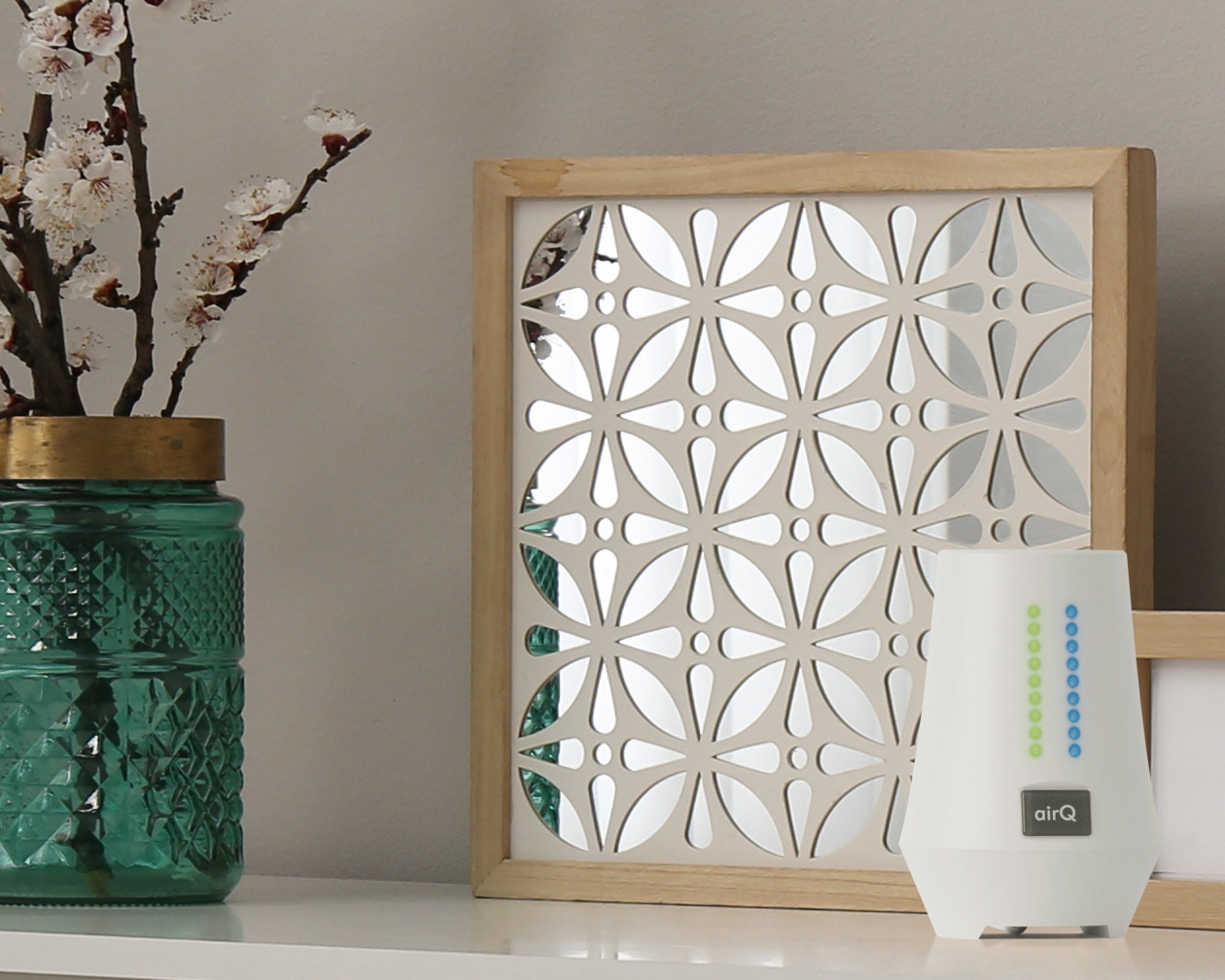
Modern radon meters like the new air-Q Radon not only make it possible to precisely capture radon concentrations, but depending on the model can also measure up to ten additional air pollutants. This is especially useful for getting a comprehensive picture of air quality and, if necessary, taking further measures to improve indoor air. The device also serves as a smart everyday helper independent of radon measurement. Regularly monitoring radon levels and air quality in your own home with such devices can therefore make an important contribution to preventive health care.
Conclusion
In summary, regular radon measurements are important not only in designated radon protection areas, but beyond them as well. The health risks from radon exposure are significant, and the gas's distribution is unpredictable. With modern measuring devices like the air-Q Radon, not just radon but also other air pollutants can be monitored, contributing to a safer and healthier living environment.