
The Importance of a Multisensor for Your Air Quality: Focus on Health and Well-Being
Multi(gas) sensors are innovative devices that monitor various air quality parameters like particulate matter and VOCs, making invisible dangers in your environment visible. They offer numerous health benefits through continuous monitoring. Learn how these technologies can make your life healthier.

In this post, you'll find the following content:
- The importance of multisensors for air quality
- What is a multi-gas sensor?
- How does a multi-gas sensor work?
- Benefits of using a multi-gas sensor
- Health risks from poor air quality
- Respiratory diseases and their causes
- Long-term health consequences
- Mental health and air quality
- Statistics on air pollution
- Measures to improve air quality
- Technological advances in multisensors
- Everyday use of multisensors
- Multisensors in the home
- Multisensors in the workplace
- Conclusion
How confident are you that the air you're breathing is really clean? In a world where air quality is often overlooked, awareness of the invisible dangers surrounding us is crucial for your health and well-being. A multisensor offers an innovative solution for monitoring various air quality parameters and detecting pollutants like particulate matter and VOCs. In this article, you'll learn how these technologies work, what health benefits they offer, and how you can use them in your everyday life to lead a healthier life. Let's discover together how you can improve your environment with the help of multisensors!
The multisensor and its importance for air quality
A multisensor, like the air-Q, is an innovative device that simultaneously monitors various air quality parameters. This technology lets you detect the invisible dangers in your environment and understand how they can affect your health and well-being. Multisensors are equipped with advanced sensors capable of measuring pollutants like particulate matter (PM₁, PM₂.₅, and PM₁₀) as well as volatile organic compounds (VOCs). These particles and chemicals can have a significant impact on the respiratory system and overall health, which is why it's crucial to be aware of their presence.
What is a multi-gas sensor?
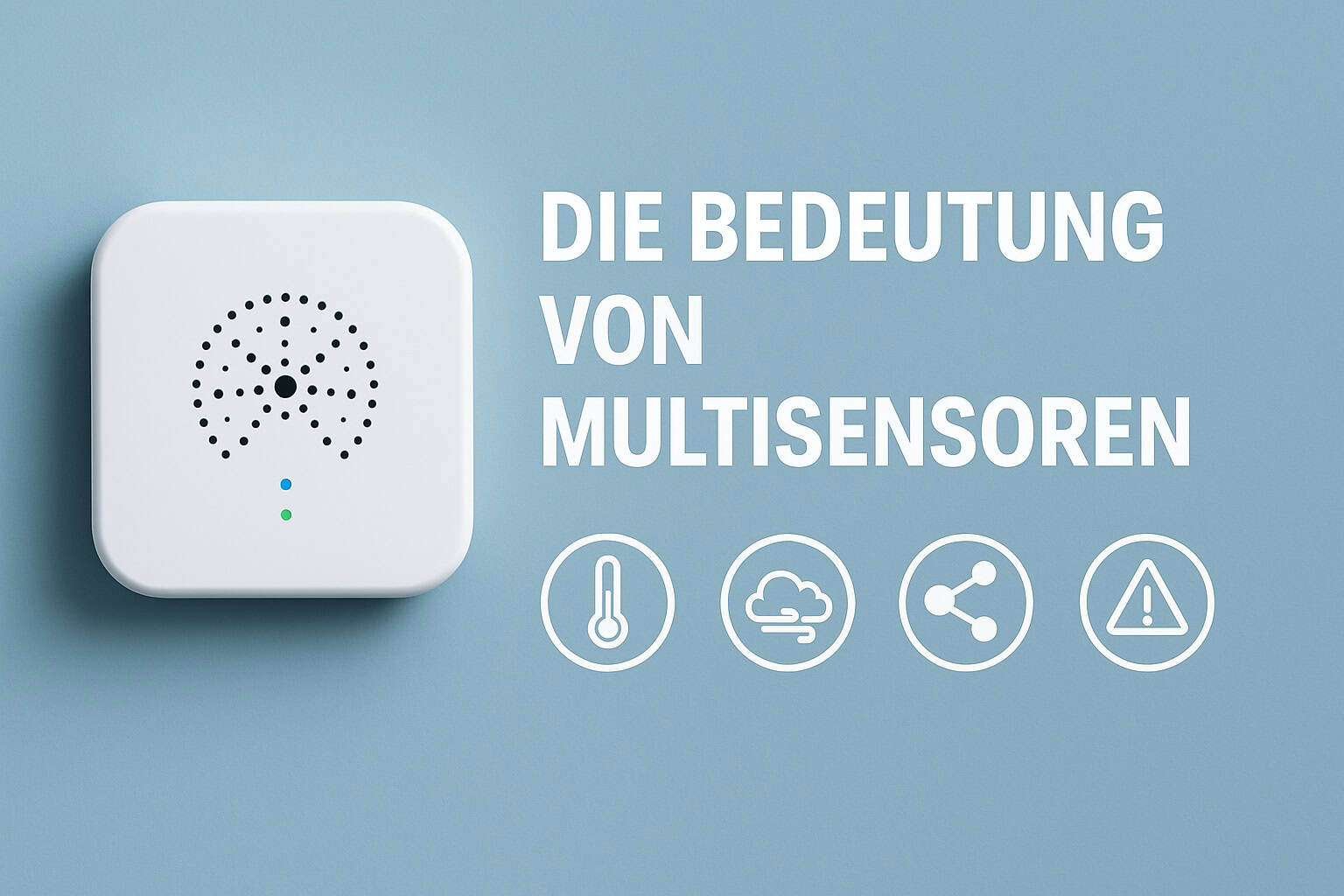
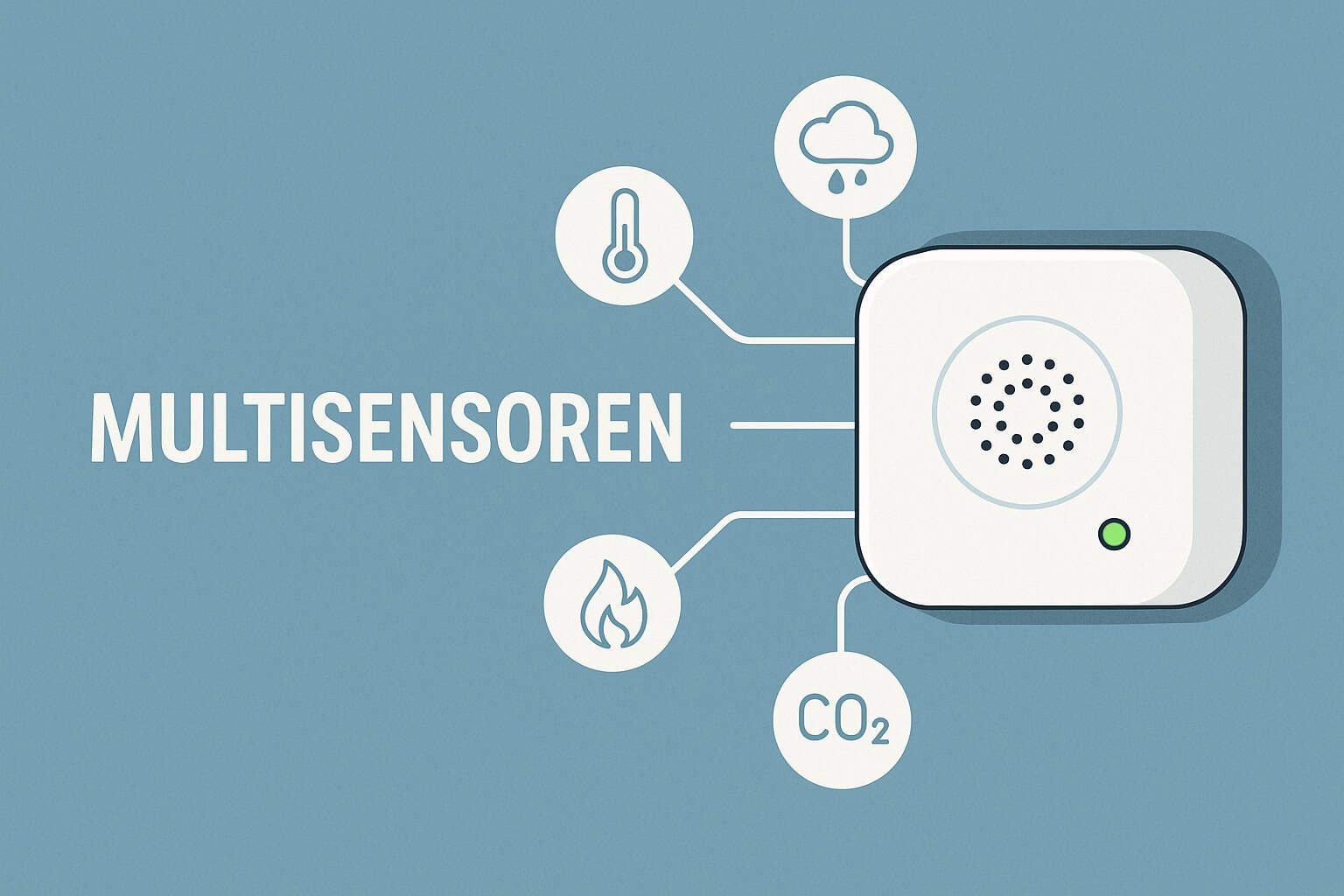
Multisensors combine several functions in a single device. They're designed to simultaneously capture various air components, enabling a comprehensive analysis of air quality. The integrated sensors measure not only particulate matter concentration but also other critical parameters like temperature and humidity. This data is captured and processed in real time, giving you immediate insight into the quality of your environment. By using a multisensor, you can take proactive steps to improve your air quality and minimize potential health risks.
How does a multi-gas sensor work?
A multisensor works by simultaneously capturing multiple air components. Each device uses specialized technologies to take precise measurements. For example, many multisensors use laser scattering or electrochemical sensors to detect particulate matter particles. As air flows through the device, these sensors analyze particle size and concentration, helping you get a clear picture of the air quality in your room. Multisensors can also identify VOCs by examining the chemical properties of the substances present in the air. These technologies work together to give you a comprehensive overview of air quality and thus help you take appropriate measures to improve your environment.
Benefits of using a multi-gas sensor
Using a multisensor air quality monitor offers numerous benefits for your health and well-being. By continuously monitoring air quality, you can identify allergens and pollutants that could endanger your health. Studies show that improved air quality not only reduces the risk of respiratory disease but also boosts your overall well-being. Precise monitoring of temperature and humidity can also help create a pleasant indoor climate, which in turn boosts your concentration and productivity. The air-Q as a multisensor is thus not just a tool for monitoring air quality; it's a step toward a healthier lifestyle.
-(300-x-250-px)-(1500-x-1300-px).jpg)
Health risks from poor air quality
Poor air quality can pose significant health risks that are often overlooked. In today's world, where we spend most of our time indoors, it's crucial to pay attention to the air we breathe. Many people aren't aware that invisible pollutants in the air, like particulate matter and volatile organic compounds (VOCs), can cause serious health problems. These particles can not only cause respiratory diseases, but also have long-term effects on the cardiovascular system and overall quality of life. Let's take a detailed look at the potential health risks.
Respiratory diseases and their causes
One of the most common consequences of poor air quality is respiratory disease. Particulate matter (PM₁, PM₂.₅, and PM₁₀) can penetrate deep into the lungs and trigger inflammation there. Studies show that people who regularly live or work in environments with high particulate matter pollution have an elevated risk of diseases like asthma, chronic bronchitis, and even lung cancer. These diseases are not only burdensome for those affected, but can also lead to reduced quality of life. Multisensors are invaluable here, as they can help you monitor particulate matter concentration in your environment and take appropriate measures to improve air quality if needed.
Long-term health consequences
The effects of poor air quality go beyond acute respiratory diseases. Long-term exposure to pollutants can increase the risk of cardiovascular disease. Studies have shown that people living in areas with high air pollution have a significantly elevated risk of heart attacks and strokes. These health risks can also affect generations to come. Children are particularly susceptible to the negative effects of polluted air, as their lungs and immune systems are still developing. Using multisensors to monitor air quality can help minimize these risks and create a healthy environment for future generations.
Mental health and air quality
Did you know that your mental health can also be affected by air quality? Recent research shows a link between poor air quality and elevated rates of anxiety and depression. Constant exposure to pollutants can not only cause physical symptoms, but also impair overall well-being. A healthy indoor climate is crucial for your mental health. By using a multisensor, you can ensure that your living or working environment is free of harmful substances, thereby promoting your mental clarity and stability.
Statistics on air pollution
To illustrate the urgency of this topic, let's look at some alarming statistics. According to the World Health Organization (WHO), millions of people die every year from the effects of air pollution. In many urban areas, particulate matter levels regularly exceed recommended limits. These figures illustrate not only the need for better air quality monitoring through technologies like multisensors, but also the responsibility of every individual to actively contribute to improving their own environment.
Measures to improve air quality
There are numerous measures you can take to improve air quality in your home or workplace. These include regular ventilation, using plants for natural air purification, and of course using multisensors for continuous monitoring of air parameters. These devices don't just give you valuable information about the quality of your environment, they also help you make proactive decisions. If you notice, for example, that VOC levels are rising, you can respond immediately and take measures to improve your environment.
The health risks from poor air quality are serious and shouldn't be ignored. By developing awareness of these risks and taking appropriate measures, you can actively contribute to a healthier lifestyle. In the next section, we'll look at technological advances in multisensors and examine how these developments can enable more precise air quality measurements.
Technological advances in multisensors
The technology behind multisensors is constantly evolving, offering ever more precise measurements. In recent years, we've seen remarkable advances in sensor technology, data processing, and usability, all of which help make air quality monitoring more effective and accessible. These developments aren't just technical in nature; they also have a direct impact on your health and well-being.
A key advance is the integration of advanced sensor technologies that make it possible to measure a wide range of air quality parameters simultaneously. Modern multisensors like the air-Q are equipped with highly sensitive sensors capable of detecting even the smallest concentrations of particulate matter and VOCs. These technologies are often based on principles like laser scattering or electrochemical analysis, enabling precise capture of particle size and composition. These precise measurements give you immediate feedback on the air quality in your environment, allowing you to respond accordingly.
In addition, the development of smart data-processing algorithms has opened up a new dimension of analysis. These algorithms can recognize patterns in the collected data and make predictions about future air quality conditions. This means you don't just get current information, but can also take proactive measures to improve your environment. For example, a multisensor can tell you when VOC levels are rising, so you can ventilate in time or take other measures to reduce pollutants.
Another significant advance is the user interface and interactivity of the devices. Many modern multisensors are connected to user-friendly apps that let you visualize real-time data and track trends. These smart widgets give you not only insights into air quality, but also tips for improving your indoor climate. This makes it easier than ever to make informed decisions and actively shape your environment.
Connectivity is another aspect shaping the future of multisensors. By integrating into smart home systems, you can seamlessly link your air quality with other aspects of your living space. Imagine your multisensor being able to communicate with your heating, ventilation, and air conditioning (HVAC) system to automatically make adjustments when air quality declines. Such systems not only increase comfort, but also help maintain a healthy indoor climate.
Work is also underway on miniaturizing sensors. Smaller and more powerful devices let us deploy multisensors in even more environments – from homes to offices to public facilities. This flexibility opens up new possibilities for monitoring air quality in places where it was previously difficult.
Another interesting trend is the increasing use of AI (artificial intelligence) to analyze air quality data. AI-powered systems can not only evaluate historical data but also take external factors like weather conditions and traffic volume into account. This enables an even more accurate assessment of air quality and gives you personalized recommendations for improving your environment.
Ongoing research and development in multisensor technology promises an exciting future for anyone who values their health. By staying informed about these advances and using the relevant technologies in your daily life, you can actively contribute to improving your quality of life.
Especially given these technological developments, it's important to understand how you can effectively use multisensors in your everyday life to monitor your air quality and take measures to improve it if needed.
Everyday use of multisensors
Multisensors aren't just technical devices, they can also have a decisive impact on your quality of life. In various areas of life, whether at home or at work, they provide valuable information about air quality and help you create a healthy environment. Let's take a closer look at how multisensors can be used in these two areas.
Multisensors in the home
In your home, multisensors can help create a healthy environment. Indoor air quality can often be worse than outdoors, since pollutants like particulate matter, VOCs, and other allergens are released through everyday activities. By using a multisensor, you can continuously monitor these pollutants and take measures to improve air quality if needed.
Imagine coming home after a long workday and wanting to make sure the air is fresh and clean. A multisensor can give you immediate feedback on current air quality. If particulate matter or VOC levels rise, you receive warnings via an app on your smartphone. This lets you ventilate in time or turn on an air purifier. This proactive approach to air quality can not only prevent health problems, but also boost your overall well-being.
In addition, multisensors can also help improve the indoor climate. By monitoring temperature and humidity, they help you create a pleasant living ambiance. Optimal humidity, for example, can prevent mold growth and reduce allergies. If the sensor detects that humidity is too high, you can act immediately to optimize your environment.
Multisensors in the workplace
Multisensors also play a crucial role in productivity and employee well-being at work. The quality of office air has a direct impact on employee concentration and performance. Poor air quality can cause fatigue and lack of concentration – something that's detrimental to both employees and the company.
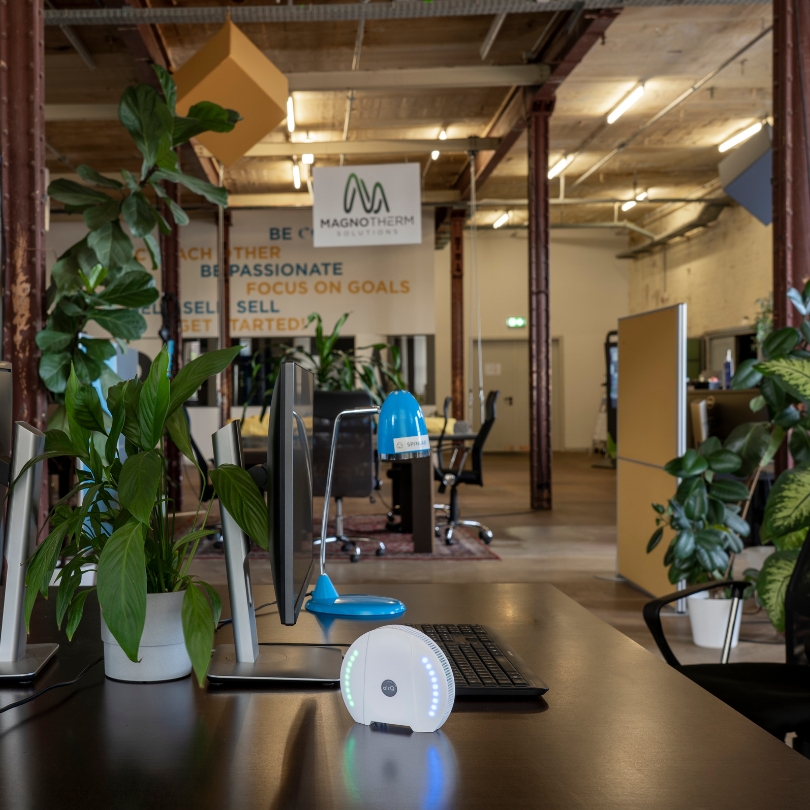
By using multisensors, companies can promote a healthy work environment. These devices allow those responsible to regularly monitor air quality and make necessary adjustments. If, for example, CO₂ levels are found to be rising, this can be a sign that more fresh air is needed. Timely ventilation or adjusting the air conditioning can then follow immediately.
In addition, multisensors contribute to workplace safety. By detecting and reporting potentially harmful substances, they not only protect employee health, but also minimize the risk of work-related illnesses. Companies that invest in such technologies not only show responsibility toward their employees, but also benefit from increased engagement and productivity.
Integrating multisensors into everyday life is thus a step toward a healthier lifestyle – both at home and at work. They not only provide valuable information for improving air quality, but also support proactive measures for health promotion.
The decision to invest in a multisensor isn't just a technical choice, but a conscious step toward a healthier lifestyle and improved well-being. In summary, multisensors represent a valuable investment in your health, as they let you continuously monitor air quality in your home or workplace and detect invisible dangers like particulate matter (PM₁, PM₂.₅, and PM₁₀) and volatile organic compounds (VOCs). Devices like the air-Q are equipped with state-of-the-art technologies that enable precise measurements and give you valuable information in real time. The numerous health benefits that result from monitoring air quality shouldn't be underestimated: from reducing allergy symptoms to improving your concentration and productivity at work – the positive effects are wide-ranging.