
Humidity in Your Home: Everything You Need to Know
Find out how to optimally regulate humidity in your home. Discover tips for achieving the ideal indoor humidity and measures to improve humidity in your living space. Get valuable advice on lowering and raising moisture levels for a healthy living climate.
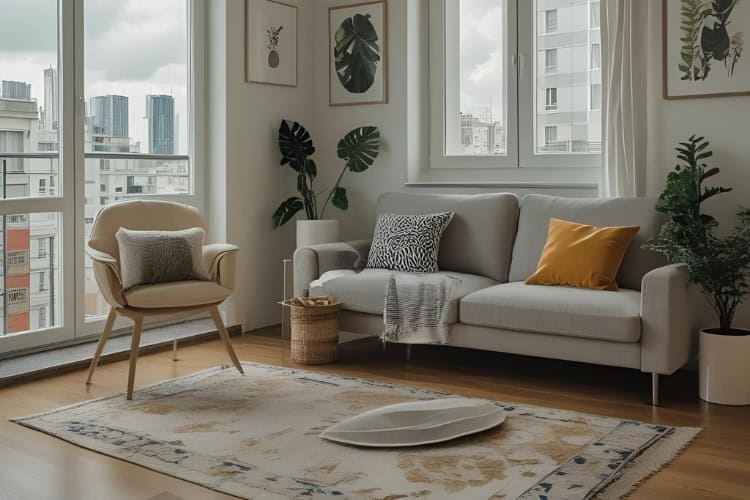
The humidity in your home is a crucial factor for wellbeing and health. Optimal humidity can not only improve the indoor climate but also prevent health problems. But what is the ideal humidity level in rooms and how can you regulate the humidity in your living space? In this article, you'll learn everything you need to know about humidity in your home.
Why Is Humidity Important?
Humidity significantly influences our wellbeing and health. Humidity that is too high or too low can lead to health complaints and negatively affect the living climate. Optimal humidity helps prevent respiratory illnesses, strengthen the immune system and improve concentration. It also plays an important role in preserving furniture and building structures, as extreme humidity levels can damage both wood and other materials.
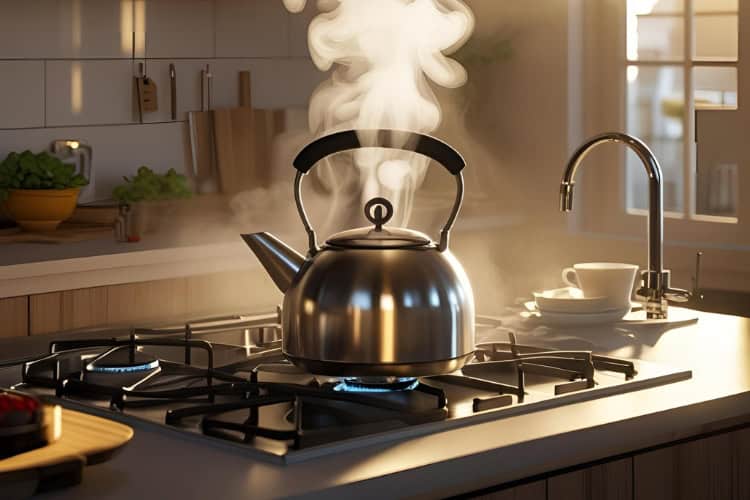
What Is the Optimal Humidity in Your Home?
The ideal humidity level in rooms is between 40% and 60%. In this range, most people feel most comfortable, and the risk of mold growth and other moisture problems is minimized. Excessive humidity can promote mold and mites, while humidity that is too low can lead to dry skin and airways. Especially in winter, when heating air reduces humidity, it's important to keep an eye on humidity.
Causes of High Humidity
High humidity in the home can be caused by various factors:
- Cooking and showering: These activities release a lot of moisture, which accumulates in the air.
- Poor ventilation: Inadequate ventilation can increase humidity, since moist air cannot escape.
- Leaky windows and doors: These let moisture in from outside and increase indoor humidity.
- Aquariums and houseplants: These can also contribute to increasing humidity.
- Drying laundry: Drying laundry indoors can significantly raise humidity.
How Can You Lower Humidity in Your Home?
To lower humidity in your home, you can take the following measures:
- Ventilate regularly: Open the windows several times a day to improve air circulation and transport moist air outside. Burst ventilation is particularly effective here.
- Use a dehumidifier: These devices are effective at removing excess moisture. They are especially useful in rooms with high humidity, such as bathrooms or basements.
- Reduce plants: Some plants increase humidity; reduce their number or choose plants that need little water.
- Cook with an extractor hood: Use an extractor hood while cooking to vent steam directly outside.
- Bathroom fan: Leave the bathroom fan running after showering to remove moisture more quickly.
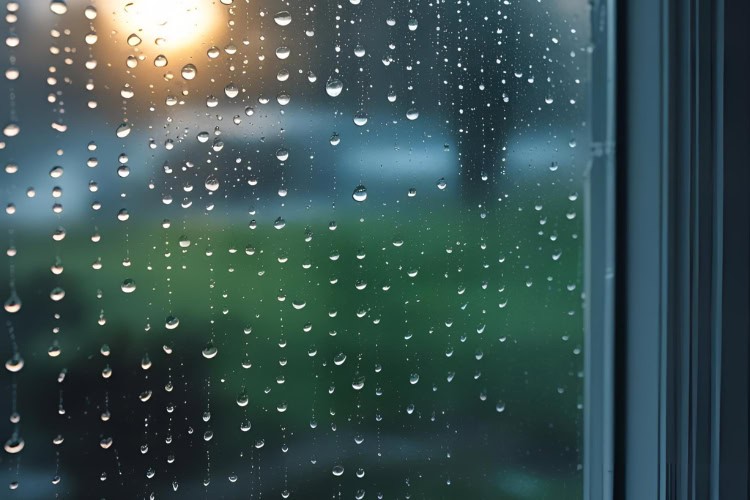
How Can You Increase Humidity?
In some cases, humidity can be too low, especially during the heating season in winter. Here are some tips for increasing humidity:
- Use a humidifier: These devices help increase humidity and are especially useful in bedrooms or living rooms.
- Dry laundry indoors: This can help increase humidity but should be used with caution to avoid mold growth.
- Place bowls of water: Place bowls of water on radiators to encourage evaporation.
- Houseplants: Certain plants, such as snake plant or rubber tree, can help increase humidity.
Tips for Achieving Optimal Humidity in Your Living Space
- Heat properly: Keep the room temperature constant to regulate humidity. A temperature of 20–22°C in living spaces is ideal.
- Use humidity sensors: These help monitor humidity in your living space. Hygrometers are easy to use and very helpful.
- Prevent mold: Avoid moisture buildup in corners and behind furniture by ventilating regularly and placing furniture a little away from the walls.
- Check seals: Regularly check the seals on windows and doors to make sure no moisture is getting in.
- Improve insulation: Good insulation can help you better control temperature and humidity in your home.
Effects of Humidity That Is Too High or Too Low
Excessively high humidity can lead to mold growth, which can cause health problems such as allergies and respiratory illnesses. Mold can also damage building structures and lead to costly repairs. Excessively low humidity can dry out the mucous membranes and promote infections. It can also dry out and damage wooden furniture and floors. In addition, insufficient humidity can increase static electricity, which can be especially disruptive in areas with a lot of electronics.
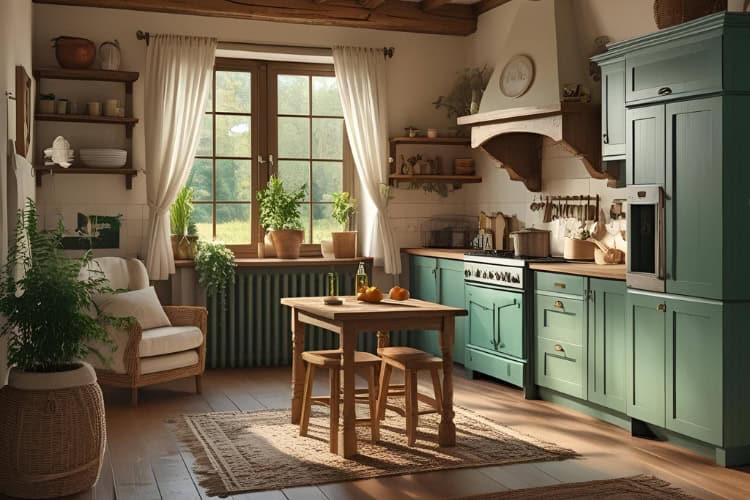
Long-Term Strategies for Controlling Humidity
Long-term strategies for controlling humidity in your home can help you create a consistently healthy living climate. Here are some approaches:
- Integrated ventilation systems: Invest in an integrated ventilation system that automatically regulates humidity. These systems are especially effective in new builds or renovations.
- Regular maintenance: Have heating and ventilation systems serviced regularly to ensure they work efficiently and correctly regulate humidity.
- Adapt construction methods: If you're building or renovating a house, pay attention to materials that regulate moisture well, such as breathable paints and wall coverings.
The right humidity in your home is crucial for a healthy and pleasant living climate. Through simple measures such as regular ventilation and the use of dehumidifiers or humidifiers, you can achieve the optimal humidity in your home. Be sure to regularly monitor the humidity in your living space to ensure an ideal living climate. With these tips, all your questions about humidity in your home should be answered, so you and your family can live in a healthy environment.
Understanding and controlling humidity are essential aspects of a healthy living environment. By following the steps outlined above, you can ensure that your home remains comfortable and health risks are minimized. Remember that both excessively high and excessively low humidity can have long-term effects on your health and your home. It is therefore important to find and maintain a balance.