
Dust Emissions Indoors: Causes, Risks, and How You Can Improve Air Quality
Dust emissions in the home arise from everyday activities, dry air, and outside influences. Especially very fine particles can burden the airways. This article shows when dust becomes critical, what causes are behind it, and how you can use the air-Q to measure and specifically improve air quality.
What is dust emission?
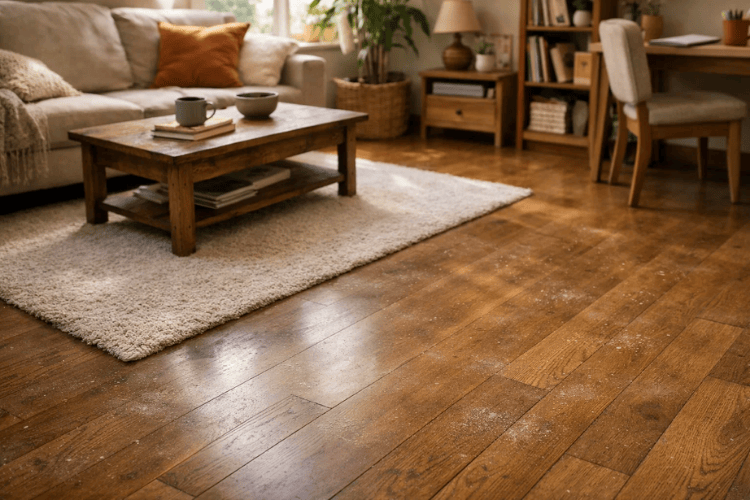
Dust emission refers to the release of dust particles into the air. These particles can come from many sources: from the wear of furniture, textiles, floors, or building materials, but also from outside through open windows or from clothing. Particulate matter particles float in the air for a long time and reach the airways. Dust emission is therefore not just dirt you can see, but an invisible burden that significantly affects indoor air quality and can impair health long-term.
Why dust emission indoors is dangerous
Indoor spaces often appear clean, but dust emissions can concentrate heavily there. Fine particles settle in the lungs and airways, worsen allergies, or can trigger chronic irritation. Unlike outdoors, where dust can be carried away by rain and wind, exposure in the home often remains high over longer periods. Anyone who doesn't account for indoor dust emissions is therefore living permanently in a burdened environment.
Dry air and inadequate ventilation increase dust emission
Especially in heated rooms or during the cold season, dust stays in the air longer. Dry air prevents particles from settling on surfaces, and lack of ventilation further increases dust emission. Sensitive people, like children or allergy sufferers, react more strongly to the increased exposure as a result. Regular ventilation is therefore crucial for effectively reducing dust emissions.

Everyday activities that increase dust emissions
Dust emission doesn't just arise from outside sources. Renovation work, cooking, vacuuming without a HEPA filter, or moving furniture stirs up particles that had previously settled on surfaces. Even normal movement in the room can bring dust back into the air. This can noticeably increase exposure, even if the room appears clean at first glance.
Seasonal influences on dust emission
Dust emission in the home also fluctuates with the seasons. In spring and fall, pollen and dust from outside enter the home and mix with indoor dust. In winter, heating causes dry air, letting particles stay in the air longer. Anyone who measures indoor air can detect seasonal peaks and take targeted measures to keep the air clean.
Using the air-Q to monitor dust emissions
The air-Q continuously measures dust emission indoors in real time. Users can see exactly when air pollution becomes critical. Smart alerts inform you when ventilating, cleaning, or using an air purifier makes sense. This lets you detect and avoid exposure peaks before they have health effects. With the air-Q, dust emission becomes measurable, visible, and controllable.
Tips for reducing dust emission in the home
- Ventilate regularly: Especially after activities that stir up dust, ventilating helps carry the particles out of the room
- Humidifier: This lets dust settle faster.
- Regular cleaning: Carpets, upholstered furniture, and curtains should be cleaned regularly to reduce sources of dust emission.
- Air purifiers: Specifically ensure clean air and keep dust emission low.
- Monitor air quality: Shows exactly when the measures mentioned should be applied, to minimize exposure and keep it permanently low.