
Drought in Germany: Challenges and Solutions
Learn how drought in Germany affects the environment and agriculture. Discover resilient plants for shade and drought and how you can adapt your garden. Prepare for the 2025 drought and protect your health and well-being.
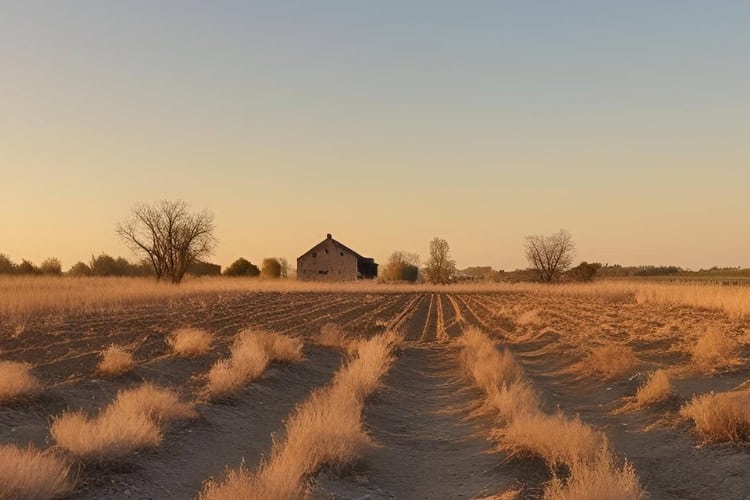
In recent years, drought in Germany has become increasingly significant. Summers are getting hotter and drier, severely affecting not just agriculture, but also water supply and ecosystems. Climate change is intensifying these trends, and the 2025 drought could be one of the biggest challenges of the coming years. In this article, we shed light on the causes and effects of drought and give practical tips on how you can adapt your garden, for example with plants for shade and drought and perennials for sun and drought.
Causes of drought in Germany
Drought in Germany results from several factors working together. Climate change plays a central role, leading to higher average temperatures and changed precipitation patterns. Winters are becoming milder, and summers are marked by longer dry spells. These climate changes directly affect water availability and lead to increased evaporation.
Further factors:
- Land use: intensive agriculture and soil sealing from urbanization intensify water scarcity.
- Water consumption: rising water demand in households and industry increases pressure on water resources.
- Forest damage: trees weakened by drought are more susceptible to pests and disease, further weakening forests.
Effects of drought
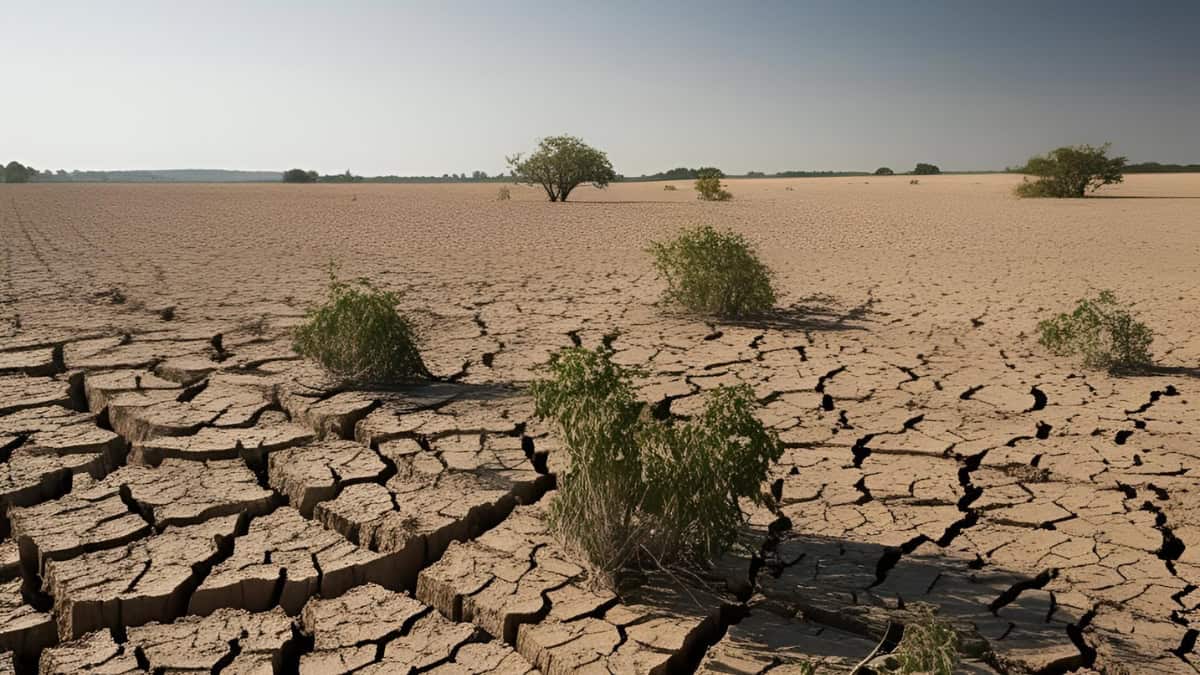
The effects of drought are diverse and affect various areas of life. Agricultural yields drop as plants suffer from water shortage. This leads to higher food prices and increases pressure on farmers. Water supply is also becoming increasingly problematic, since groundwater reserves are being depleted and water extraction amounts must be limited.
Effects in detail:
- Agriculture: lower harvest yields and higher irrigation costs.
- Water supply: restrictions on water use and rising costs for water treatment.
- Ecosystems: loss of biodiversity and increased vulnerability of ecosystems to pests and diseases.
Adapting to drought: tips for your garden
To counteract drought, you can adapt your garden by choosing plants for shade and drought as well as perennials for sun and drought. These plants are particularly resilient to water shortage and help reduce water consumption.
Plant recommendations:
- Lavender: a robust perennial that tolerates drought well and needs little care.
- Rosemary: an aromatic herb that loves both sun and drought.
- Sedum: this succulent stores water in its leaves and is ideal for dry locations.
- Yarrow: a low-maintenance plant that tolerates both sun and drought well.
Garden tips:
- Mulching: a layer of mulch helps retain soil moisture and reduce weed growth.
- Drip irrigation: an efficient irrigation system that delivers water directly to the roots and minimizes evaporation.
- Soil improvement: adding compost can improve the soil's water retention capacity.
2025 drought: what should you expect?
The 2025 drought is expected to be more intense than in previous years. Experts warn of worsening water scarcity and advise a more conscious approach to water resources. In agriculture, new farming methods and more resilient plant varieties could become necessary to meet these challenges.
Strategies for preparation:
- Water management: invest in rainwater collection systems and efficient irrigation techniques.
- Adapting agriculture: use drought-resistant plant varieties and optimize crop rotation.
- Education and awareness: educate yourself and others about the importance of water conservation and the effects of climate change.
What should you expect when it starts raining after a prolonged drought?
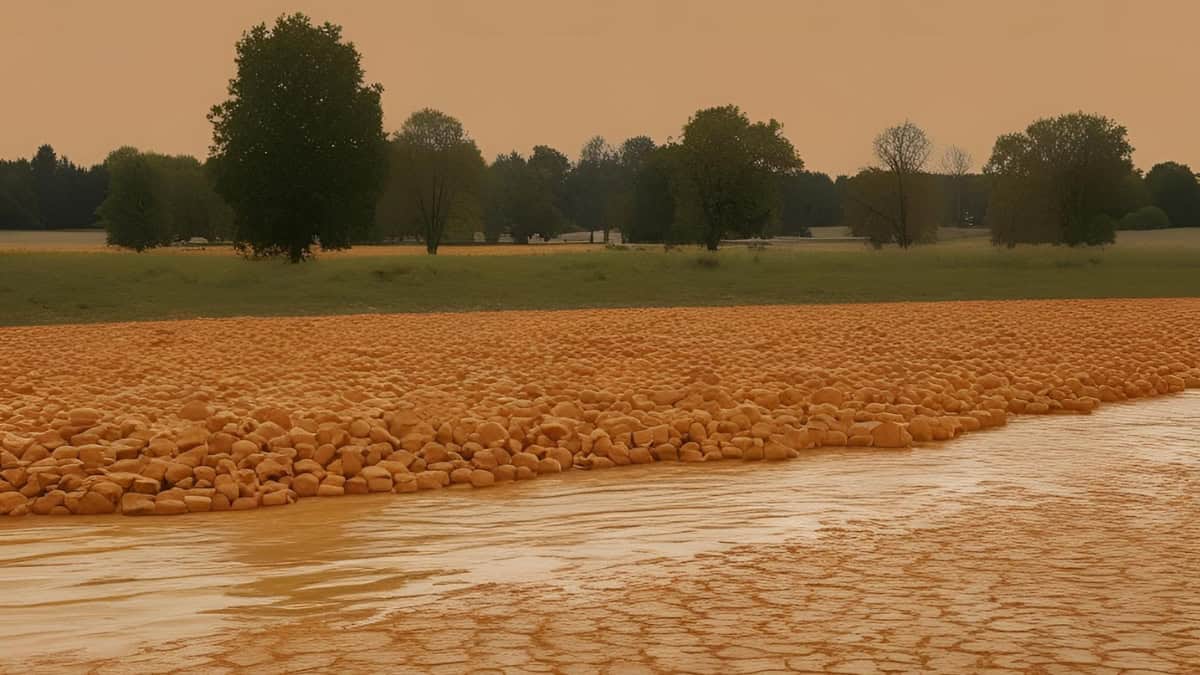
After a long dry spell, sudden rain can lead to flooding, since the parched soil can't absorb the water quickly enough. This increases the risk of soil erosion and infrastructure damage.
Measures to limit damage:
- Soil protection: planting ground cover can reduce erosion.
- Infrastructure: check drainage systems and make sure they're functional to prevent flooding.
- Emergency plans: develop plans for dealing with sudden weather events to minimize damage.
The drought in Germany poses a serious challenge that's being further intensified by climate change. To address the effects of drought, adaptation strategies are needed at both an individual and societal level. By selecting suitable plants and implementing efficient irrigation techniques, you can adapt your garden to the changed climate conditions. At the same time, a conscious approach to water resources is crucial to mitigate the effects of the 2025 drought. By preparing for these challenges, we can strengthen the resilience of our environment and our way of life.